As stucco siding contractors take on pivotal roles in construction projects, this guide invites readers into a world of expertise and craftsmanship. Offering valuable insights, this passage ensures a rich reading experience that is both informative and engaging.
Exploring the nuances of stucco siding contractors' work, this guide delves into the intricacies of their roles and responsibilities.
Overview of Stucco Siding Contractors

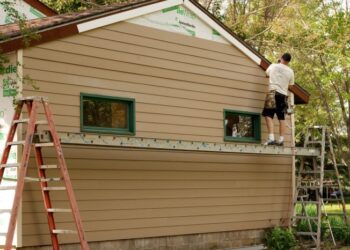
Stucco siding contractors play a crucial role in both residential and commercial construction projects by specializing in the installation and repair of stucco siding. Stucco siding is a popular choice due to its durability, versatility, and aesthetic appeal, making the expertise of stucco siding contractors essential in achieving a high-quality finish.
Examples of Projects
- Residential Homes: Stucco siding contractors are often hired to install stucco siding on new residential construction projects, providing a seamless and elegant exterior finish.
- Commercial Buildings: Stucco siding contractors are also involved in commercial projects such as office buildings, retail spaces, and restaurants, where stucco siding adds a touch of sophistication and enhances the overall appearance of the structure.
- Restoration Projects: Stucco siding contractors are called upon to repair and restore existing stucco siding, ensuring that the building maintains its structural integrity and visual appeal.
Skills and Qualifications
- Knowledge of Stucco Materials: Stucco siding contractors must have a deep understanding of different stucco materials, their properties, and application techniques to ensure a successful installation.
- Experience in Construction: A background in construction or related field is beneficial, as stucco siding contractors need to work closely with other construction professionals to coordinate projects effectively.
- Attention to Detail: Precision and attention to detail are crucial skills for stucco siding contractors to ensure that the stucco siding is installed correctly and meets the client's specifications.
- Licensing and Certification: Depending on the location, stucco siding contractors may need to obtain specific licenses and certifications to operate legally and uphold industry standards.
Stucco Siding Installation Process
Installing stucco siding is a meticulous process that requires skill and precision. Stucco siding contractors follow a specific step-by-step process to ensure a successful installation.
Preparation of Surface
- Before applying stucco, the surface must be cleaned and prepped to ensure proper adhesion.
- Contractors repair any cracks or damage to the existing surface to create a smooth base for the stucco application.
Application of Scratch Coat
- The first layer of stucco, known as the scratch coat, is applied to the prepared surface using a trowel.
- This coat creates a rough texture for the next layers of stucco to adhere to.
Application of Brown Coat
- Once the scratch coat has dried, the brown coat is applied, providing additional thickness and strength to the stucco.
- Contractors ensure an even application and proper curing of the brown coat before moving on to the final layer.
Application of Finish Coat
- The final layer of stucco, known as the finish coat, is applied to achieve the desired texture and appearance.
- Contractors can add color pigments or decorative finishes to the finish coat to customize the look of the stucco siding.
Common Challenges
- One common challenge faced by stucco siding contractors is ensuring proper moisture control during the curing process to prevent cracking.
- Another challenge is maintaining consistent texture and color throughout the application of the finish coat.
Materials and Tools Used
When it comes to stucco siding installation, contractors rely on a variety of materials and tools to ensure a successful and durable outcome. These components play a crucial role in achieving a professional finish and long-lasting stucco siding.
Materials Required
- Stucco Mix: This is the primary material used for stucco siding and comes in different compositions based on the project requirements. It consists of cement, sand, and lime, providing the base for the stucco application.
- Wire Mesh: Also known as stucco lath, this material is essential for providing a secure surface for the stucco to adhere to. It helps in preventing cracks and ensures the longevity of the stucco siding.
- Water: Water is crucial for mixing the stucco and maintaining the right consistency during application. Proper hydration is key to the stucco's bonding and curing process.
- Bonding Agent: This material is used to enhance the adhesion of the stucco to the substrate, ensuring a strong bond and preventing delamination over time.
- Primer: A primer is applied to the substrate before the stucco application to improve adhesion, seal the surface, and ensure a uniform finish.
Specialized Tools
- Trowels: Stucco contractors use a variety of trowels for applying and shaping the stucco mix on the surface. These tools help in achieving a smooth and consistent finish.
- Hawk: A hawk is a flat square board with a handle that holds the stucco mix for easy access during application. It allows contractors to work efficiently and maintain a steady supply of stucco.
- Float: A float is used to blend and smooth the stucco surface, creating a uniform texture and appearance. It helps in compacting the stucco and removing excess material.
- Stucco Sprayer: For larger projects, stucco sprayers are used to apply the stucco mix quickly and evenly on the surface. This tool ensures a consistent thickness and coverage throughout the project.
- Scratchers and Scarifiers: These tools are used to create texture and keying on the surface for better stucco adhesion. They help in promoting a strong bond between the stucco and substrate.
Maintenance and Repair Services

Stucco siding contractors offer a range of maintenance and repair services to help homeowners keep their exterior walls in top condition. Regular maintenance is crucial to extend the lifespan of stucco siding and prevent costly repairs in the future.
Maintenance Services
- Inspecting the stucco for cracks, chips, or other damage
- Applying a fresh coat of paint or sealant to protect the stucco
- Checking for water damage or mold growth
- Cleaning the stucco to remove dirt, debris, and stains
Repair Services
- Fixing cracks and chips in the stucco surface
- Replacing damaged or deteriorated stucco panels
- Repairing water damage and addressing mold growth
- Reapplying texture to match the existing stucco finish
Identifying Maintenance and Repair Needs
Regularly inspecting your stucco siding can help you identify when maintenance or repairs are needed. Look out for:
- Cracks or chips in the stucco surface
- Discoloration or staining on the walls
- Bubbling or blistering of the stucco finish
- Soft or damp spots indicating water damage
If you notice any of these signs, it's essential to contact a stucco siding contractor to assess the damage and recommend the necessary maintenance or repairs.
Last Point
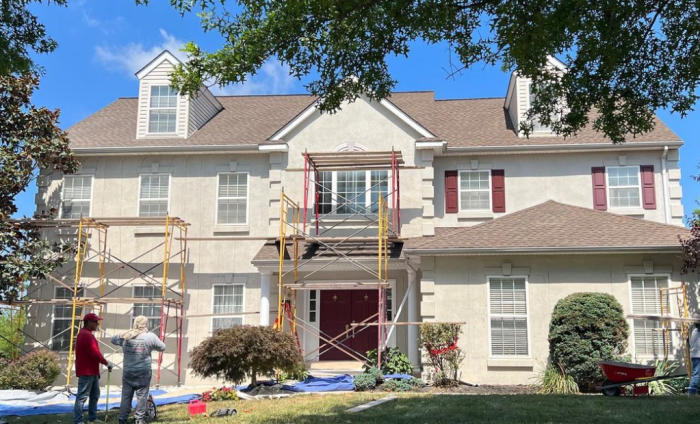
In conclusion, this comprehensive guide has shed light on the vital role of stucco siding contractors in construction projects. With a focus on skill and precision, these professionals play a crucial part in ensuring quality results and lasting structures.
Questions Often Asked
What qualifications are needed to become a stucco siding contractor?
To become a stucco siding contractor, individuals typically need to acquire relevant certifications and licenses, along with gaining hands-on experience in the field.
What are some common challenges faced by stucco siding contractors during installation?
Stucco siding contractors often face challenges such as weather conditions affecting the drying process, ensuring proper adhesion of the stucco, and maintaining consistency in texture.
How can homeowners identify when stucco siding requires maintenance or repair?
Homeowners should look out for signs such as cracks, discoloration, or water damage on their stucco siding, which indicate the need for maintenance or repair.