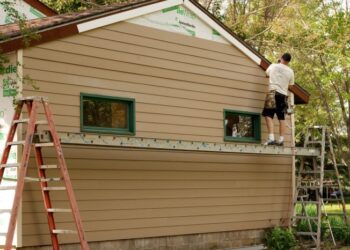
Delving into the realm of siding vinyl cost, this introductory piece aims to provide a thorough exploration of the factors, comparisons, installation procedures, and additional cost considerations involved.
Exploring the nuances of vinyl siding costs and how they stack up against other materials is essential for making informed decisions about your home's exterior.
Factors Affecting Vinyl Siding Costs
When considering the cost of vinyl siding for your home, several factors come into play that can impact the overall price. Let's delve into the key elements that influence the cost of vinyl siding installation.
Size of the House
The size of your house is a significant factor in determining the cost of vinyl siding. Larger homes require more materials and labor for installation, leading to higher overall costs. Conversely, smaller homes will typically have lower vinyl siding costs due to the reduced amount of materials and labor needed.
Quality or Grade of Vinyl Siding
The quality or grade of the vinyl siding you choose will directly affect the cost of the installation. Higher quality vinyl siding tends to be more durable, energy-efficient, and aesthetically pleasing, but it also comes at a higher price point.
Lower-grade vinyl siding may be more affordable upfront, but it may not last as long or offer the same level of protection against the elements.
Complexity of Installation
The complexity of the installation process can also impact the pricing of vinyl siding. Factors such as the architectural design of your home, the presence of obstacles like chimneys or windows, and the need for additional insulation or trim work can increase the overall cost of installation.
Simple, straightforward installations will generally be more affordable compared to complex projects that require more time and expertise.
Geographical Location
Your geographical location can also influence the cost of vinyl siding. Areas with higher labor costs, stricter building codes, or harsher weather conditions may result in higher prices for vinyl siding installation. Additionally, the availability of skilled contractors and local market conditions can play a role in determining the overall cost of the project.
Cost Comparison with Other Siding Materials
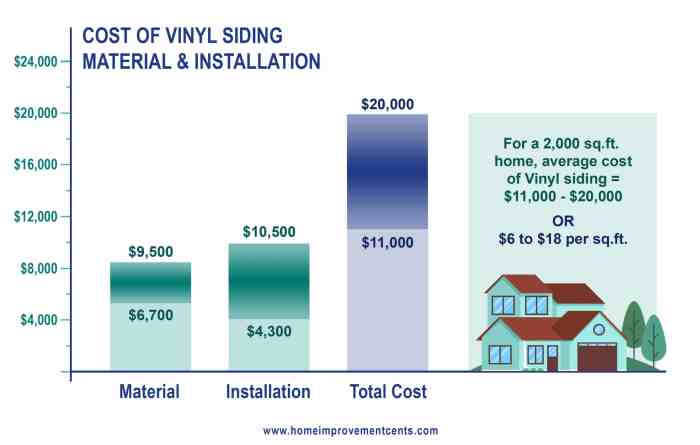
When considering siding options for your home, it's essential to evaluate the costs associated with different materials to make an informed decision that fits your budget and needs.Vinyl siding is often compared to other popular siding materials like wood, fiber cement, and metal.
Each material comes with its own set of pros and cons, including initial costs, long-term maintenance, and durability.
Wood Siding
Wood siding is known for its natural beauty and charm, but it typically comes with a higher upfront cost compared to vinyl siding. While wood siding may require more maintenance over time due to issues like rotting, warping, and insect damage, some homeowners appreciate its aesthetic appeal and are willing to invest in regular upkeep.
Fiber Cement Siding
Fiber cement siding is a durable and low-maintenance option that falls somewhere between wood and vinyl in terms of cost. While fiber cement siding can be more expensive to install initially, it is known for its longevity and resistance to rot, fire, and pests.
However, the installation process can be more labor-intensive, adding to the overall cost.
Metal Siding
Metal siding, such as aluminum or steel, is another alternative to consider. While metal siding can be cost-effective and durable, it may not offer the same level of insulation as vinyl siding. Additionally, metal siding may dent or scratch more easily, requiring periodic maintenance to address cosmetic issues.In the long run, vinyl siding often proves to be a cost-effective choice due to its lower initial installation costs, minimal maintenance requirements, and excellent durability.
Vinyl siding is resistant to rot, insect damage, and fading, making it a low-maintenance option that can save homeowners time and money over the years.Compared to wood, fiber cement, and metal siding, vinyl siding stands out for its affordability, ease of maintenance, and long-term cost benefits.
When weighing your options, consider the total cost of ownership, including installation, maintenance, repairs, and potential replacements, to make the best choice for your home.
Installation Costs and Procedures
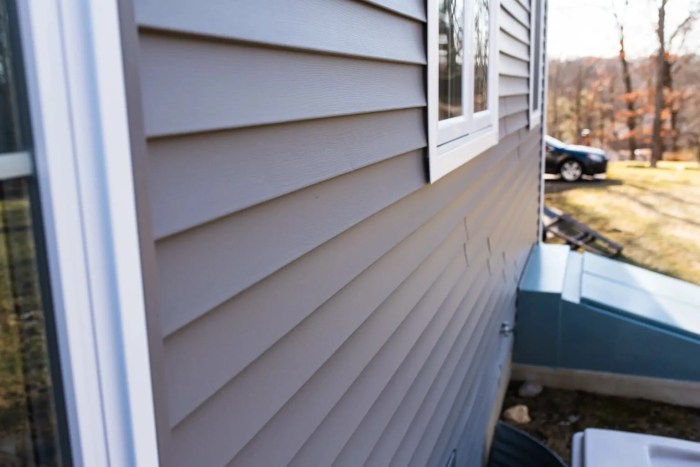
When it comes to installing vinyl siding, there are several factors that can influence the overall cost. Understanding the typical installation process, labor costs, and the impact of the existing exterior condition is essential for making informed decisions. Additionally, considering DIY installation versus hiring professionals can have a significant effect on the total cost.
Typical Installation Process
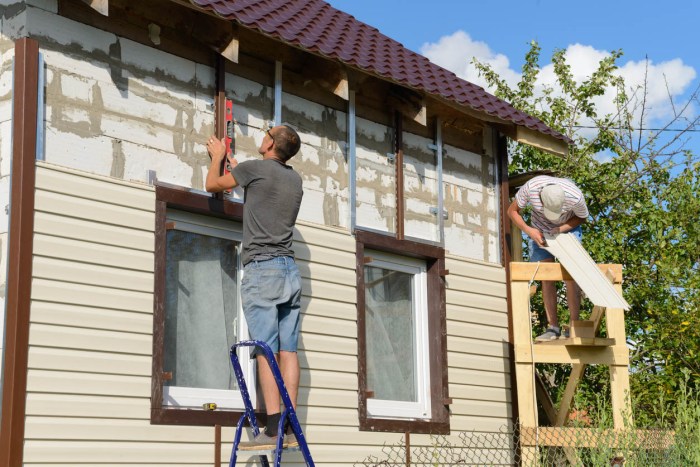
Installing vinyl siding involves several steps, starting with preparing the exterior surface by removing any existing siding and ensuring a smooth, clean surface. The siding panels are then measured, cut, and attached to the exterior of the building. Trim pieces are added to finish the edges and corners, providing a seamless look.
Labor Costs
The labor costs for installing vinyl siding can vary based on the size of the project, the complexity of the design, and the experience of the installation crew. On average, labor costs can range from $1 to $3 per square foot of siding installed.
It's essential to obtain multiple quotes from reputable contractors to ensure a fair price.
Impact of Existing Exterior Condition
The condition of the existing exterior can significantly impact the installation cost of vinyl siding. If repairs or additional preparation work are needed to address issues like rot or water damage, the overall cost can increase. It's crucial to address any underlying problems before installing new siding to ensure a long-lasting result.
DIY Installation vs. Hiring Professionals
While some homeowners may opt for a DIY approach to save on labor costs, it's essential to consider the complexity of the installation process. Mistakes made during DIY installation can lead to costly repairs down the line. Hiring professionals may initially cost more, but their expertise can ensure a high-quality, durable installation that adds value to your home.
Additional Cost Factors to Consider
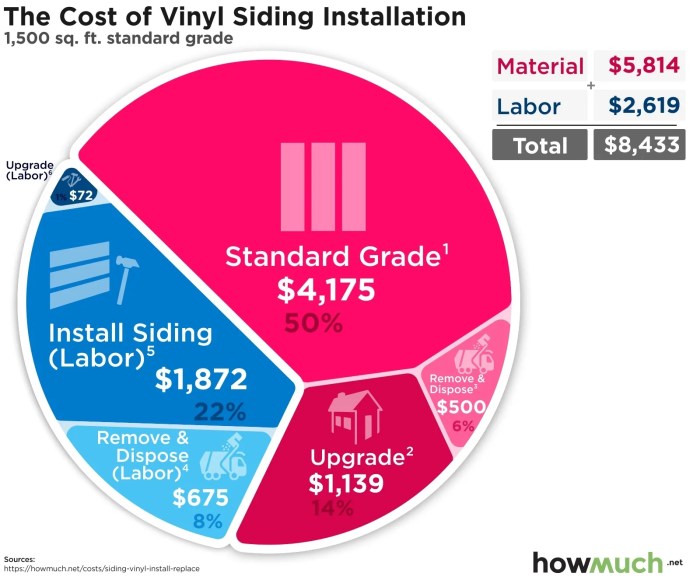
When planning for vinyl siding installation, there are several additional cost factors to take into consideration that can impact the overall price.
Insulation Options
Insulation is a crucial component of vinyl siding installation as it helps improve energy efficiency and weather resistance. The type and quality of insulation you choose can affect the cost. Typically, foam board insulation is more expensive but offers better insulation properties compared to traditional fiberglass insulation.
Additional Features
Incorporating additional features like trim, soffits, and fascia can enhance the aesthetic appeal of your home but also add to the total cost of the project. These features are often customized to fit the specific dimensions of your house, which can increase the overall cost of materials and labor.
Warranties
Warranties play a significant role in the upfront cost of vinyl siding. Opting for a vinyl siding product with a longer warranty may initially cost more but can provide peace of mind and potentially save money on future repairs or replacements.
It is essential to carefully review the warranty terms and conditions to understand what is covered and for how long.
Negotiating Pricing with Contractors
When hiring a contractor for vinyl siding installation, it is essential to negotiate pricing to ensure you are getting a fair deal. Consider obtaining multiple quotes from different contractors to compare prices and services offered. Be prepared to ask questions about the breakdown of costs, labor fees, and any additional charges that may arise during the installation process.
Negotiating pricing can help you stay within budget and get the best value for your investment.
Summary
In closing, understanding the intricacies of siding vinyl cost empowers homeowners to make wise choices that balance quality, aesthetics, and budget. Dive into the world of vinyl siding costs armed with knowledge and confidence.
FAQ Compilation
What role does the quality of vinyl siding play in determining costs?
The quality of vinyl siding directly impacts the overall cost as higher-grade materials tend to be more expensive but offer better durability and longevity.
How does geographical location influence vinyl siding costs?
Geographical location can affect costs due to variations in labor rates, material availability, and climate considerations that impact installation complexity.
Are there any unique cost-saving features specific to vinyl siding?
Vinyl siding is known for its low maintenance requirements, which can result in long-term cost savings compared to other materials that may require more upkeep.