Room decoration design sets the stage for this enthralling narrative, offering readers a glimpse into a story that is rich in detail and brimming with originality from the outset. From the elements that make up a well-designed room to the latest trends and personalization tips, this guide delves into the art of creating beautiful living spaces.
Elements of Room Decoration Design
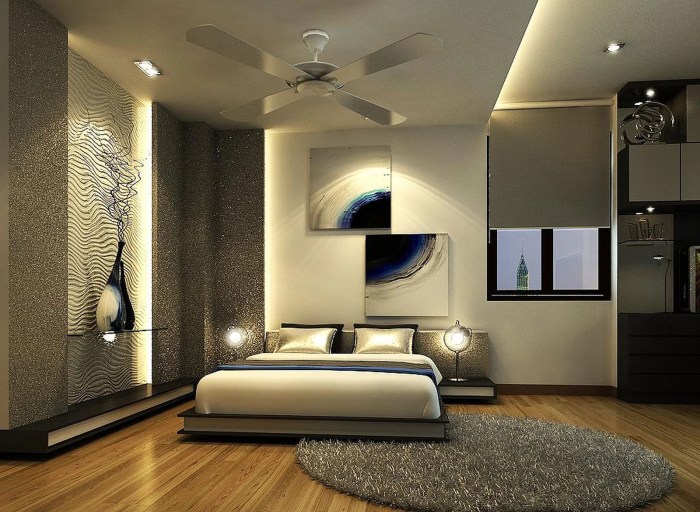
When it comes to creating a well-designed room, several key elements play a crucial role in achieving a cohesive and visually appealing space. These elements include color, lighting, furniture, and accessories, each contributing to the overall look and feel of the room.
Color
Color is one of the most impactful elements in room decoration design. The choice of colors can set the mood, create a sense of space, and tie the room together. For example, a neutral color palette can create a calm and sophisticated atmosphere, while bold and vibrant colors can add energy and personality to a room.
Combining different colors strategically can help create a harmonious and balanced look.
Lighting
Lighting is another essential element in room decoration design. The right lighting can highlight key features in the room, create ambiance, and enhance the overall design. Natural light can make a space feel bright and airy, while layered lighting with a mix of overhead, task, and accent lighting can add depth and dimension to the room.
Furniture
The furniture in a room not only serves a functional purpose but also contributes to the overall design aesthetic. The style, scale, and arrangement of furniture can impact the flow and layout of the room. Choosing furniture pieces that complement each other in terms of style and proportion is key to creating a cohesive design.
Additionally, selecting furniture that fits the scale of the room is essential to ensure a balanced look.
Accessories
Accessories such as artwork, rugs, pillows, and decorative objects add the finishing touches to a room decoration design. These accessories can inject personality, texture, and visual interest into the space. By carefully selecting and arranging accessories that complement the overall design scheme, you can enhance the room's style and create a cohesive look.
Importance of Layout in Room Decoration
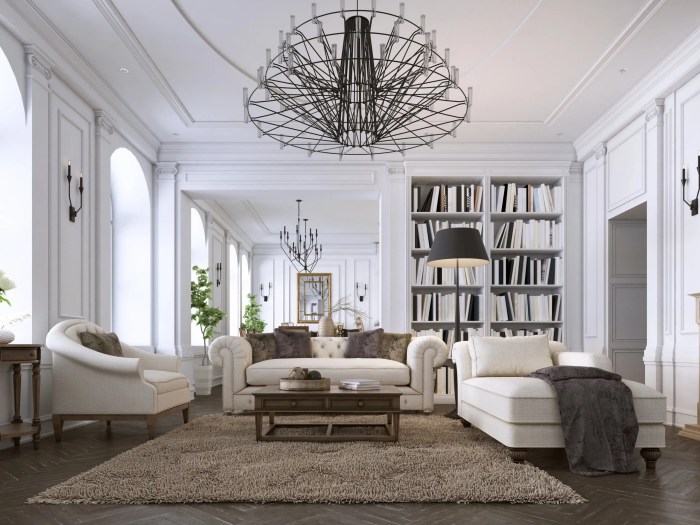
An effective layout plays a crucial role in room decoration design as it determines the functionality, aesthetics, and overall feel of a space. It involves arranging furniture, decor, and architectural elements in a way that maximizes the room's potential while creating a harmonious and visually appealing environment.
Different Layout Styles
There are various layout styles in room decoration design, each with its unique characteristics and advantages. Let's compare and contrast open floor plans, minimalistic layouts, and traditional layouts:
- Open Floor Plans:Open floor plans are popular for their spacious and airy feel. They involve removing walls to create a seamless flow between different areas of the house, promoting interaction and natural light.
- Minimalistic Layouts:Minimalistic layouts focus on simplicity, functionality, and clean lines. They often involve decluttering the space, using neutral colors, and incorporating multifunctional furniture.
- Traditional Layouts:Traditional layouts are classic and timeless, often characterized by symmetry, formal furniture arrangements, and rich textures. They create a sense of warmth and coziness.
Optimizing Space and Flow
To optimize space and flow within a room through layout design, consider the following tips:
- Start by identifying the focal point of the room and arrange furniture around it to create a cohesive look.
- Use rugs and lighting to define different areas within an open floor plan, helping to visually separate spaces while maintaining a sense of unity.
- Choose furniture that fits the scale of the room to avoid overcrowding or leaving empty gaps that disrupt the flow.
- Experiment with different furniture arrangements to find the most functional and visually pleasing layout for your space.
Trends in Room Decoration Design
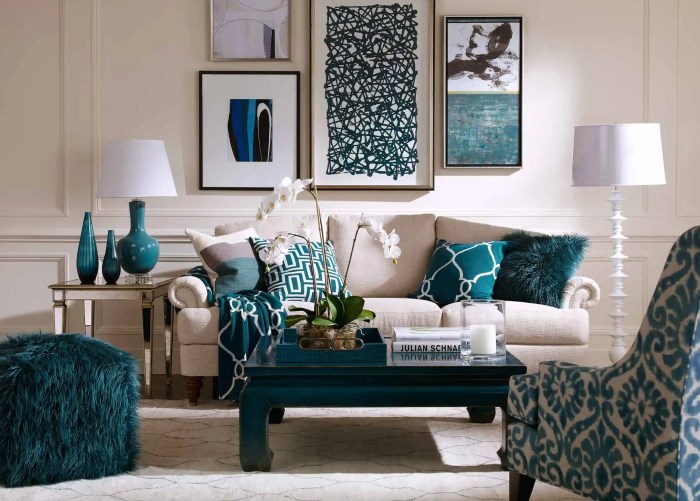
Room decoration design trends are constantly evolving, influenced by various factors such as lifestyle changes, technological advancements, and environmental concerns. One prominent trend in recent years is the shift towards sustainable and eco-friendly design practices.
Influence of Sustainability and Eco-Friendly Design
Sustainability has become a key consideration in room decoration design, leading to the use of recycled materials, energy-efficient lighting, and non-toxic paint options. Eco-friendly design practices aim to reduce the environmental impact of interior decor while creating healthy living spaces for occupants.
- Popular color schemes in modern room decoration often include calming neutrals like soft greys, warm whites, and earthy tones. These colors create a sense of tranquility and sophistication in living spaces.
- Patterns such as geometric shapes, botanical prints, and abstract designs are trending in room decoration, adding visual interest and personality to interiors.
- Textural elements like natural fabrics, reclaimed wood, and woven accents are widely used to introduce depth and warmth to rooms, creating a cozy and inviting atmosphere.
Personalization and Theme Development
Personalization plays a crucial role in room decoration as it allows individuals to express their unique style, preferences, and personality through the design. By incorporating personal touches, a space becomes more inviting, comfortable, and reflective of the occupant's identity.Developing a cohesive theme for a room decoration project is essential to create a harmonious and visually appealing space.
Here are some tips to help you achieve this:
Tips for Developing a Cohesive Theme
- Start by choosing a central theme or concept that resonates with you, such as a specific color palette, style, or inspiration from nature.
- Ensure that all elements in the room, including furniture, decor, and accessories, align with the chosen theme to maintain consistency.
- Consider the mood or atmosphere you want to create in the space and select elements that contribute to this ambiance.
- Experiment with different textures, patterns, and materials within the theme to add depth and visual interest to the room.
- Don't be afraid to mix and match elements to create a unique and personalized look that reflects your taste and personality.
Incorporating personal style and preferences into the design process involves infusing elements that hold sentimental value or resonate with you on a deeper level. This could include incorporating favorite colors, cherished items, or meaningful artwork into the decor. By blending these personal touches with the overall theme, you can create a space that not only looks visually pleasing but also feels like a true reflection of who you are.
Last Word
As we conclude our exploration of room decoration design, it's evident that the key to creating stunning rooms lies in a thoughtful blend of elements, layouts, and personal touches. By staying updated on trends and infusing your unique style, you can transform any space into a true reflection of your personality and taste.
Elevate your living environment with the power of design.
FAQ Overview
What are the key elements of room decoration design?
The key elements include color, lighting, furniture, and accessories that collectively contribute to an effective design.
How important is layout in room decoration design?
Layout plays a significant role in room decoration as it dictates the flow and functionality of the space.
What are some current trends in room decoration design?
Current trends include sustainability practices, eco-friendly designs, and modern color schemes and textures.
Why is personalization important in room decoration?
Personalization adds a unique touch to the design, making the space feel more inviting and reflective of the individual's style.
How can one develop a cohesive theme for a room decoration project?
Developing a cohesive theme involves choosing a central idea or style and incorporating it into all design elements consistently.