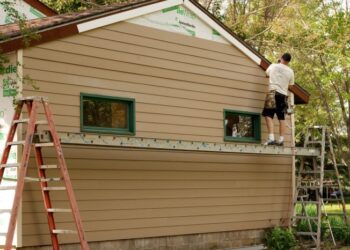
New windows cost is a topic that encompasses various factors influencing the pricing of window installation. From materials and styles to installation processes and additional expenses, understanding the cost implications is crucial for anyone considering a window upgrade. Let's delve into the intricacies of new windows cost to shed light on this essential aspect of home improvement.
Factors Affecting New Windows Cost
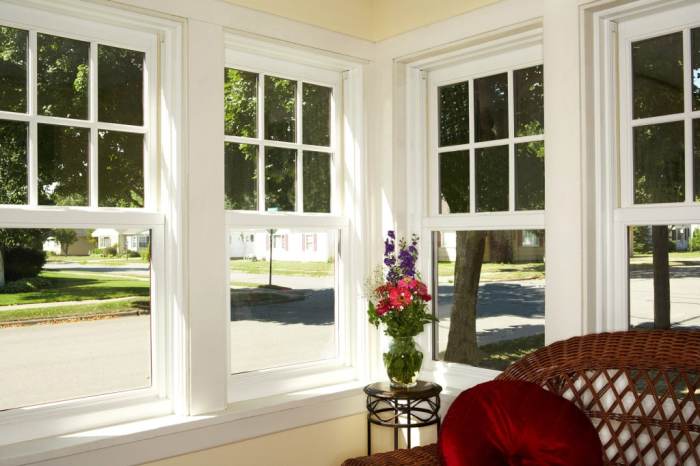
When it comes to the cost of new windows installation, several key factors come into play that can significantly impact the final price.
Materials
- The choice of materials, such as vinyl, wood, aluminum, or fiberglass, can greatly influence the cost of new windows. Each material comes with its own price range and level of durability.
- High-quality materials may cost more upfront but can offer better insulation and longevity, potentially saving money in the long run.
Sizes and Styles
- The size and style of the windows you choose can also affect the overall cost. Larger windows or custom designs may require more materials and labor, resulting in a higher price tag.
- Specialty window styles, like bay windows or picture windows, may come at a premium due to their unique features and installation requirements.
Energy Efficiency Ratings
- Windows with higher energy efficiency ratings, such as ENERGY STAR certified windows, may cost more initially but can lead to savings on heating and cooling costs over time.
- Investing in energy-efficient windows can also qualify you for tax credits or rebates, offsetting some of the upfront costs.
Installation Complexity and Location
- The complexity of the installation process, including factors like accessibility, height, and structural modifications, can impact the overall cost of new windows.
- Location plays a role as well, with labor costs varying based on regional factors, such as local building codes, permits, and labor rates.
Additional Features
- Adding extra features like grids, tinted glass, or security locks can increase the cost of new windows, as these customizations require additional materials and labor.
- Consider your budget and priorities when choosing which additional features are worth the investment for your home.
Types of Window Materials and Their Costs
When considering new windows, the choice of material plays a crucial role in determining the overall cost. Different window materials come with varying price points, each offering unique advantages and disadvantages in terms of durability, maintenance, and energy efficiency.
Vinyl Windows
Vinyl windows are popular for their affordability and low maintenance requirements. They are durable, resistant to rotting and fading, and offer good insulation properties. The cost of vinyl windows typically ranges from $300 to $800 per window, depending on the size and style.
Wood Windows
Wood windows are known for their classic look and excellent insulation properties. However, they require more maintenance to prevent rotting and warping. The cost of wood windows is higher compared to vinyl, ranging from $800 to $1,200 per window, due to the higher quality material and craftsmanship.
Aluminum Windows
Aluminum windows are lightweight, strong, and resistant to corrosion. They are often used in modern and industrial-style buildings. While aluminum windows are low maintenance, they are not as energy-efficient as other materials. The cost of aluminum windows ranges from $400 to $1,200 per window, depending on the size and design.
Fiberglass Windows
Fiberglass windows are extremely durable, weather-resistant, and offer excellent insulation. They require minimal maintenance and have a longer lifespan compared to other materials. The cost of fiberglass windows is higher, ranging from $500 to $1,500 per window, but the long-term savings on energy bills make them a cost-effective choice.
Installation Costs and Process
When it comes to installing new windows, the process is crucial to ensure proper functionality and energy efficiency in your home. Understanding how installation costs are calculated and the factors that can influence these expenses is essential for making informed decisions.
Typical Installation Process for New Windows
Installing new windows involves several steps to ensure a proper fit and seal
- Removing the old window carefully to avoid damage to the surrounding structure.
- Preparing the opening by cleaning and inspecting for any repairs needed.
- Installing the new window, ensuring it is level, plumb, and properly sealed.
- Insulating around the window to prevent air leaks and improve energy efficiency.
- Trimming and finishing the window for a clean and polished look.
Factors Influencing Installation Expenses
Installation costs for new windows can vary based on several factors, including:
- Window size and type: Larger or specialty windows may require more labor and materials.
- Accessibility: Difficult-to-reach windows or higher floors may require additional equipment and labor.
- Local labor rates: Labor costs can vary depending on the region and availability of professional installers.
- Additional services: If repairs or modifications to the window opening are needed, it can increase installation expenses.
Hiring professional installers is crucial to ensure proper installation and avoid costly mistakes in the long run.
Additional Costs to Consider
When budgeting for new windows installation, it's important to consider additional costs that may arise beyond the basic expenses. These extra costs can impact the overall budget and should be factored in from the beginning to avoid any surprises during the process.
Permits and Disposal Fees
- Permits: Depending on your local regulations, you may need to obtain permits for the installation of new windows. Permit costs vary by location and can add to the total expenses.
- Disposal Fees: If your old windows need to be disposed of properly, there might be additional fees for disposal services. Make sure to inquire about these costs upfront.
Upgrades and Add-Ons
- Grids: Adding grids to your windows for a more traditional look can increase the overall cost. The intricacy of the design and the number of grids will impact the price.
- Tints: Opting for tinted windows for privacy or UV protection can also add to the total cost. Different tint levels and types will have varying price points.
- Security Features: Enhancing your windows with security features like reinforced glass or locks can come with an extra cost for added protection.
Budgeting for Unforeseen Expenses
- Contingency Fund: It's wise to set aside a contingency fund in your budget to account for any unexpected expenses that may arise during the installation process. This can help you cover any surprises without going over budget.
- Consultation: Consider consulting with your contractor to get a better understanding of potential hidden costs and how to prepare for them. Their expertise can help you plan accordingly.
Final Summary
In conclusion, navigating the realm of new windows cost requires a blend of knowledge, foresight, and budgeting skills. By grasping the key factors, material options, installation processes, and potential extra costs, homeowners can make informed decisions when embarking on a window replacement journey.
With this guide in hand, you're better equipped to tackle the challenge of upgrading your home's windows while staying within your budget.
FAQ Resource
What are the main factors that influence new windows cost?
The key factors include material choice, window size, style, energy efficiency ratings, installation complexity, and location.
How do labor costs affect the overall price of new windows installation?
Labor costs are a significant component of the total price, influenced by factors like the number of windows, accessibility, and the expertise of the installers.
Are there additional costs to consider besides the basic installation price?
Yes, additional costs may include permits, disposal fees, trim work, upgrades like grids or tints, and unforeseen expenses that can arise during the installation process.