New vinyl siding cost opens the door to a world of possibilities, where homeowners can transform their abodes with a touch of modernity and durability. This comprehensive guide delves into the intricacies of pricing, installation, and long-term benefits, providing a roadmap for those looking to enhance their homes with this versatile material.
As we navigate through the details, you'll uncover valuable insights on how various factors impact costs, comparisons with alternative siding materials, installation considerations, and more.
Factors Affecting New Vinyl Siding Cost
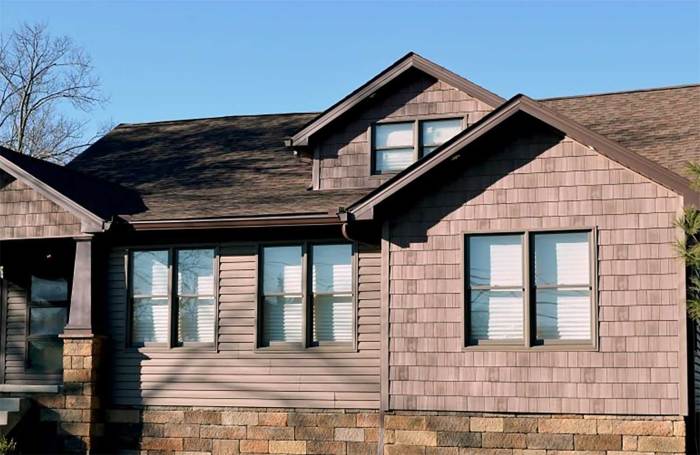
When considering the cost of new vinyl siding for your home, several key factors come into play that can impact the overall price.
Size of the Home
The size of your home is a significant factor in determining the cost of new vinyl siding. Larger homes will require more materials and labor, leading to a higher overall cost for the project.
Quality of the Vinyl Siding
The quality of the vinyl siding you choose will also affect the cost. Higher quality materials may come at a higher price point, but they often offer better durability and aesthetics, which can be worth the investment in the long run.
Complexity of the Installation Job
The complexity of the installation job can impact the overall cost of new vinyl siding. Factors such as the presence of multiple stories, unique architectural features, or intricate designs can all contribute to a more labor-intensive and therefore more expensive installation process.
Additional Features and Customization Options
Adding extra features or opting for customization options can also increase the cost of new vinyl siding. Features such as trim details, decorative accents, or special color finishes can all add to the final price tag of the project.
Cost Comparison with Other Siding Materials
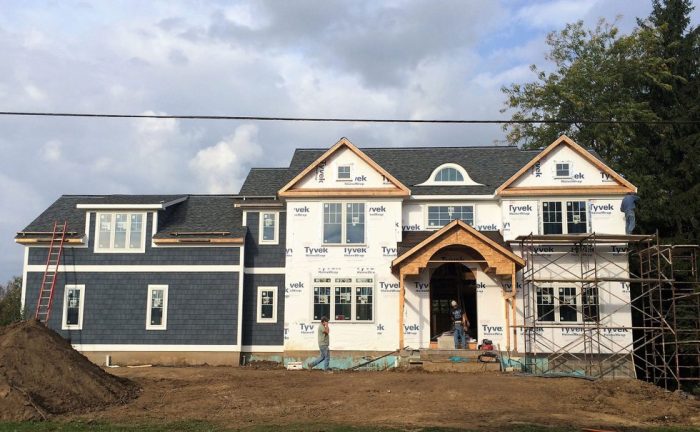
When considering new siding for your home, it's important to weigh the cost differences between various materials. Vinyl siding is a popular choice, but how does it compare to other options like wood, fiber cement, or metal?
Cost Breakdown
- Wood Siding: While wood siding can provide a beautiful aesthetic, it tends to be more expensive upfront compared to vinyl siding. Additionally, wood requires more maintenance over time, leading to higher costs in the long run.
- Fiber Cement Siding: Fiber cement is a durable and low-maintenance option, but it comes with a higher price tag than vinyl siding. Installation costs may also be higher due to the heavier weight of fiber cement.
- Metal Siding: Metal siding is known for its longevity and durability, but it can be one of the most expensive options upfront. Maintenance costs are typically low, but the initial investment may deter some homeowners.
Long-Term Benefits
- Vinyl Siding: While vinyl siding may have a lower initial cost compared to other materials, its long-term benefits shine through. Vinyl requires minimal maintenance, saving you money on upkeep and repairs over the years. Additionally, vinyl siding is durable and can withstand harsh weather conditions, reducing the need for replacements.
Maintenance Costs
- Vinyl Siding: One of the key advantages of vinyl siding is its low maintenance requirements. Unlike wood or metal siding that may need frequent painting or sealing, vinyl only requires occasional cleaning with soap and water. This simplicity can lead to significant cost savings over time.
Cost-Saving Measures
- When opting for vinyl siding, there are several ways to save on costs. Consider installing the siding yourself if you have the skills, as labor costs can be a significant portion of the overall expense. Additionally, look for deals or discounts from suppliers to lower the material costs.
By being strategic in your approach, you can enjoy the benefits of vinyl siding without breaking the bank.
Installation Costs and Considerations
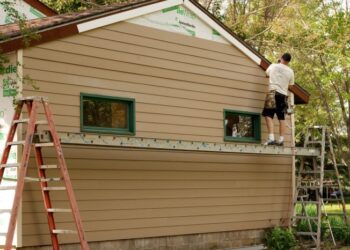
When it comes to installing new vinyl siding, there are several factors that can impact the overall cost. Understanding the typical installation process and how labor costs are factored in can help homeowners better prepare for the expenses involved.
Typical Installation Process for New Vinyl Siding
- Preparation: This involves removing any existing siding, inspecting the exterior of the home for any damage, and preparing the surface for the new siding.
- Installation: The vinyl siding panels are then installed, starting from the bottom and working upwards, ensuring proper alignment and securing them to the exterior of the home.
- Trim and Finishing: Trim pieces are added around windows, doors, and corners to provide a polished look and ensure proper sealing.
- Cleanup: Once the installation is complete, the area is cleaned up, and any debris is removed.
Labor Costs and Additional Expenses
- Labor Costs: The cost of labor is a significant factor in the overall cost of installing vinyl siding. This cost can vary depending on the size of the project, the complexity of the installation, and the contractor's rates.
- Additional Costs: Homeowners should also consider additional expenses such as permits, disposal fees for old siding, and any repairs or modifications needed to the exterior of the home during the installation process.
Finding Reputable Contractors
- Research: Take the time to research and vet potential contractors by checking reviews, asking for references, and verifying their credentials and insurance.
- Get Multiple Quotes: Obtain quotes from multiple contractors to compare prices and services offered. Avoid choosing solely based on the lowest price, as quality and experience are essential factors.
- Written Contract: Ensure that all details of the project, including costs, timeline, and materials, are Artikeld in a written contract before any work begins.
Cost Breakdown for Materials and Labor
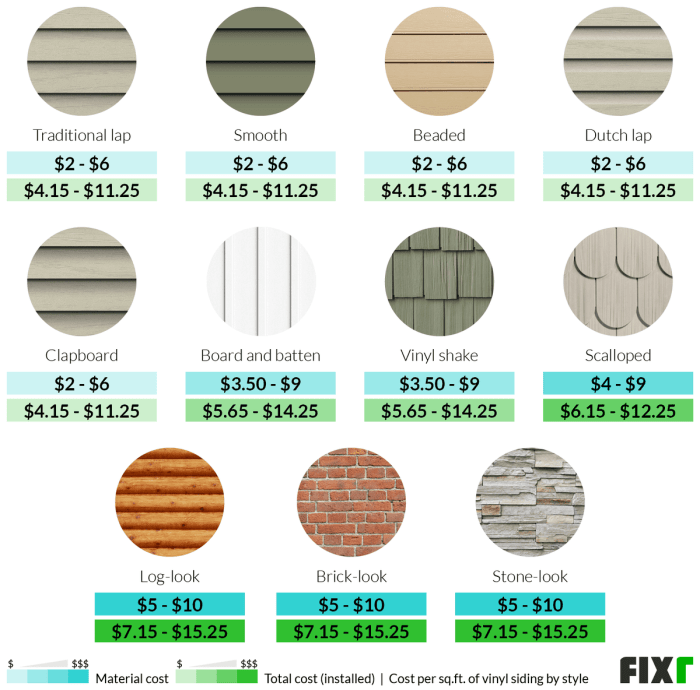
When it comes to the cost breakdown for new vinyl siding, it's essential to understand the expenses involved in both materials and labor. Let's delve into the details to give you a better idea of what to expect.
Vinyl Siding Materials Cost per Square Foot
- Standard vinyl siding typically costs around $2 to $7 per square foot.
- Premium or designer vinyl siding can range from $4 to $12 per square foot.
- Additional costs for insulation, trim pieces, and accessories should also be factored in.
Factors Influencing Labor Costs
- Complexity of the installation - intricate designs or multiple stories can increase labor costs.
- Location - labor rates may vary based on the region and local demand for siding installation services.
- Removal of old siding - extra labor may be required to remove existing siding before installing new vinyl.
Impact of Vinyl Siding Styles and Textures
- Textured or specialty vinyl siding options may cost more than traditional smooth finishes.
- Architectural styles like scallops or shakes can also increase the overall cost of the siding project.
- Custom colors or patterns may come at a premium compared to standard options.
Warranties and Guarantees
- Some vinyl siding manufacturers offer warranties against fading, cracking, or peeling, which can affect the overall cost.
- Extended warranties or guarantees for labor and installation services may add to the upfront expenses but provide long-term peace of mind.
- Consider the value of these warranties when comparing quotes from different contractors.
Wrap-Up
As we conclude this enlightening journey on new vinyl siding cost, it's evident that this investment not only enhances the aesthetic appeal of your home but also brings long-lasting value and peace of mind. Make an informed decision and embark on this exciting renovation journey today!
FAQ Summary
How does the size of the home impact new vinyl siding cost?
The larger the home, the more materials needed, resulting in higher costs for vinyl siding installation.
What are some cost-saving measures when opting for vinyl siding?
Choosing standard colors and profiles, avoiding complex designs, and comparing quotes from multiple contractors can help save on costs.
Are there any warranties or guarantees that may affect the overall cost of new vinyl siding?
Some manufacturers offer warranties on their vinyl siding products, which can impact the overall cost based on the coverage provided.