Embark on a journey through the realm of house design ideas, where creativity meets practicality. This guide offers a wealth of information on different styles, interior design concepts, sustainability, and outdoor landscaping ideas, ensuring a well-rounded exploration of the topic.
Delve into the nuances of modern, traditional, and minimalist architectural styles, discover innovative ideas for every room in your home, and learn how to incorporate eco-friendly elements seamlessly into your design.
Different styles of house designs
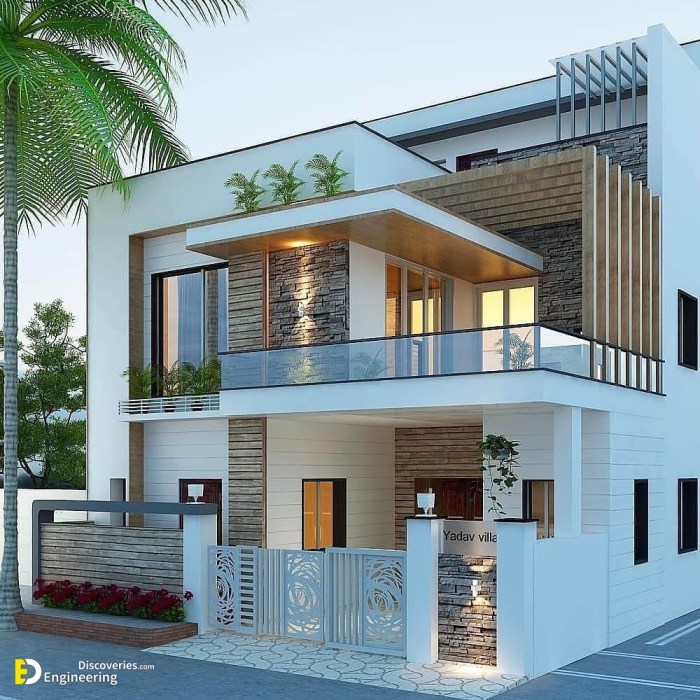
When it comes to designing a house, there are various architectural styles to choose from. Each style has its own unique features and aesthetic appeal, catering to different preferences and tastes. Let's explore some of the most popular house design styles and compare their characteristics.
Modern
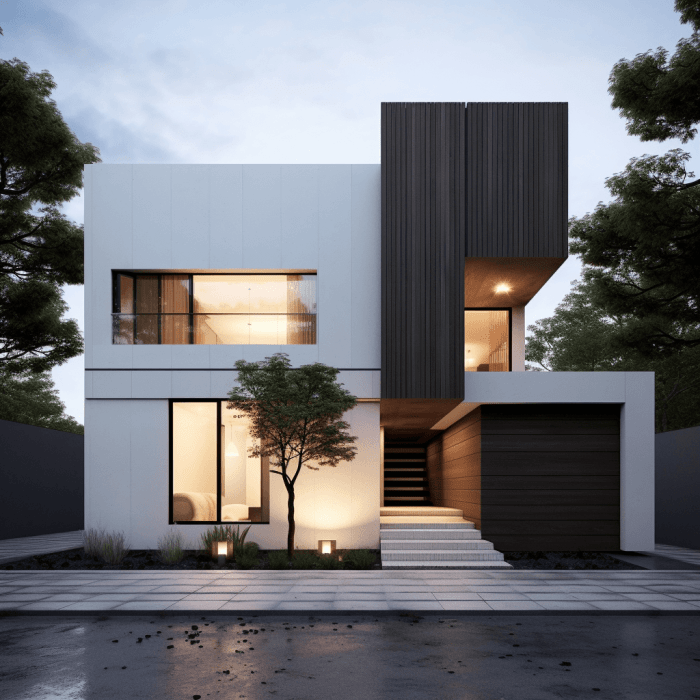
Modern house designs are characterized by clean lines, large windows, and open floor plans. They often incorporate industrial materials such as steel and concrete, giving them a sleek and contemporary look. Examples of modern house designs include the Bauhaus style and mid-century modern architecture.
Traditional
Traditional house designs draw inspiration from historical architectural styles such as colonial, Victorian, or Mediterranean. They typically feature symmetrical facades, pitched roofs, and decorative details like columns or molding. Examples of traditional house designs include Cape Cod and Georgian style homes.
Minimalist
Minimalist house designs focus on simplicity and functionality. They often have a monochromatic color scheme, clean surfaces, and an emphasis on geometric shapes. Minimalist homes prioritize open spaces and minimal clutter, creating a sense of calm and serenity. Examples of minimalist house designs include Scandinavian and Japanese architecture.
Interior design ideas for different rooms
When it comes to designing the interior of your home, each room offers a unique opportunity to showcase your personal style and create a welcoming atmosphere. Here are some creative ideas for designing different rooms:
Living Room Decor
The living room is often the focal point of a home, where family and guests gather to relax and socialize. Here are some unique ideas to enhance the decor of your living room:
- Consider incorporating a statement piece of furniture, such as a bold-colored sofa or a unique coffee table, to add visual interest to the room.
- Use a mix of textures, such as plush rugs, velvet throw pillows, and metallic accents, to create a cozy and inviting space.
- Add personal touches like family photos, artwork, and decorative objects to make the room feel truly yours.
Functional Kitchen Design
The kitchen is not only a place for cooking but also for gathering and entertaining. Here are some creative ways to design a functional kitchen:
- Maximize storage space with built-in cabinets, pull-out drawers, and pantry organizers to keep the kitchen organized and clutter-free.
- Choose durable and easy-to-clean materials for countertops and backsplashes, such as quartz or ceramic tiles, to ensure longevity and maintain a clean look.
- Incorporate task lighting under cabinets and overhead lighting fixtures to illuminate the workspace and create a bright, inviting atmosphere.
Bedroom Decor for Cozy Atmosphere
The bedroom should be a sanctuary for relaxation and rest. Here are some tips for bedroom decor to create a cozy atmosphere:
- Opt for soft, neutral colors and comfortable bedding to promote a sense of calm and relaxation in the bedroom.
- Add layers of textiles like throw blankets, decorative pillows, and area rugs to create a warm and cozy ambiance.
- Consider incorporating elements of nature, such as potted plants, natural wood furniture, and botanical prints, to bring a sense of tranquility to the space.
Sustainable and eco-friendly design concepts
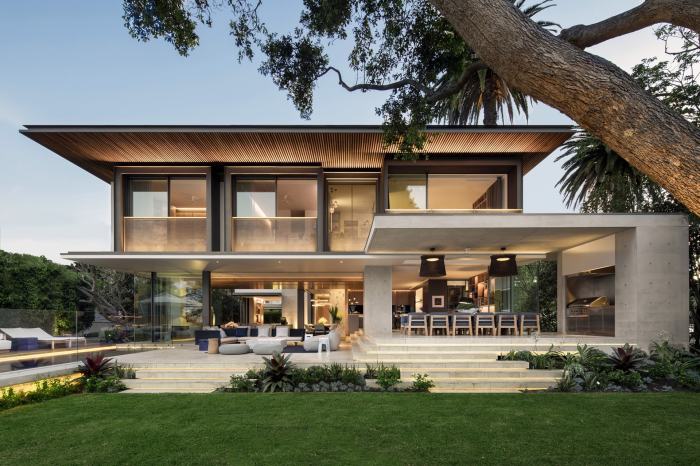
When it comes to designing houses, incorporating sustainable and eco-friendly elements is crucial in today's world. Sustainable architecture not only helps reduce the negative impact on the environment but also promotes a healthier living space for the inhabitants.
Importance of sustainable architecture
Sustainable architecture focuses on creating buildings that are energy-efficient, environmentally friendly, and socially responsible. By using sustainable design concepts, we can reduce energy consumption, minimize waste, and lower carbon emissions, ultimately contributing to a greener planet.
Innovative ideas for incorporating eco-friendly elements
- Utilizing renewable energy sources such as solar panels or wind turbines to power the house.
- Implementing passive design strategies like proper insulation, shading, and natural ventilation to reduce the need for artificial heating and cooling.
- Integrating green roofs or vertical gardens to improve air quality, provide insulation, and promote biodiversity.
- Using sustainable materials like bamboo, reclaimed wood, or recycled glass in construction to minimize environmental impact.
Benefits of using recycled materials in construction
- Reduces the demand for new raw materials, conserving natural resources and reducing carbon emissions associated with manufacturing processes.
- Diverts waste from landfills, helping to decrease environmental pollution and promoting a circular economy.
- Recycled materials often have unique textures and characteristics, adding a distinctive aesthetic appeal to the house design.
Final Wrap-Up
In conclusion, the world of house design ideas is vast and full of possibilities. From creating a cozy bedroom retreat to designing a sustainable outdoor oasis, this guide has equipped you with the knowledge to transform your living spaces into havens of style and functionality.
Question Bank
How can I choose the right architectural style for my home?
Consider your personal preferences, the surrounding environment, and the architectural features that appeal to you the most.
What are some creative ways to design a functional kitchen?
Opt for smart storage solutions, utilize multifunctional furniture, and incorporate efficient lighting to enhance the functionality of your kitchen.
Why is sustainable architecture important?
Sustainable architecture helps reduce environmental impact, promotes energy efficiency, and creates healthier living spaces.
How can I create a sustainable garden?
Use native plants, implement water-saving irrigation systems, and compost organic waste to maintain a sustainable garden.
What are the benefits of using recycled materials in construction?
Using recycled materials reduces waste, conserves natural resources, and can contribute to a unique aesthetic in your design.