Embarking on an exterior stone installation project opens up a world of creativity and durability for your outdoor spaces. From the initial preparation to the final touches, this guide dives into the essential aspects of exterior stone installation, ensuring a seamless and visually appealing transformation for your home.
Exploring the different types of stone materials, installation techniques, and maintenance tips, this comprehensive overview equips you with the knowledge needed to enhance the beauty and longevity of your exterior surfaces.
Preparation for Exterior Stone Installation
Before embarking on the installation of exterior stone, it is crucial to properly prepare the surface to ensure a successful and durable outcome. This process involves clearing the area, leveling the ground, and gathering the necessary tools and materials.
Tools and Materials Needed
- Shovel
- Rake
- Level
- Tape measure
- Masonry saw
- Wheelbarrow
- Gravel
- Sand
- Stone veneer
- Mortar
- Waterproofing membrane
Clearing and Leveling the Area
Before installing exterior stone, start by clearing the area of any debris, plants, or obstacles that may hinder the installation process. Use a shovel and rake to remove rocks, roots, and other unwanted materials.
Next, ensure that the ground is level to provide a stable base for the stone installation. Use a level and tape measure to check for any uneven areas. If needed, add or remove soil to achieve a flat surface.
Properly clearing and leveling the area will help prevent issues such as shifting or uneven stones in the future.
Types of Exterior Stone Materials
When it comes to exterior stone installations, there are various types of stone materials to choose from. Each type offers unique characteristics that can impact the overall look and durability of your project.
Natural Stone
- Granite: Known for its durability and resistance to weathering, granite comes in a variety of colors and patterns.
- Marble: Elegant and timeless, marble is a softer stone that may require more maintenance to keep its appearance.
- Limestone: With a more natural and rustic look, limestone is a versatile option for exterior projects.
- Slate: Offering a textured surface and earthy tones, slate is a popular choice for outdoor applications.
Manufactured Stone
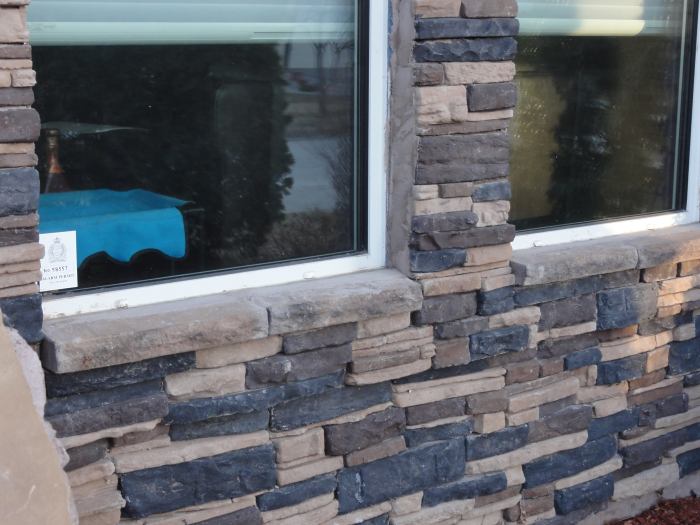
- Faux Stone: Made from concrete molded to mimic the look of natural stone, faux stone is a cost-effective alternative.
- Cultured Stone: Resembling natural stone, cultured stone is lightweight and easy to install, but may lack the authenticity of real stone.
- Polyurethane Stone: Offering a high level of detail and texture, polyurethane stone is durable and resistant to fading.
- Brick Veneer: While not technically stone, brick veneer is a popular choice for exterior cladding due to its durability and classic look.
Installation Techniques for Exterior Stone
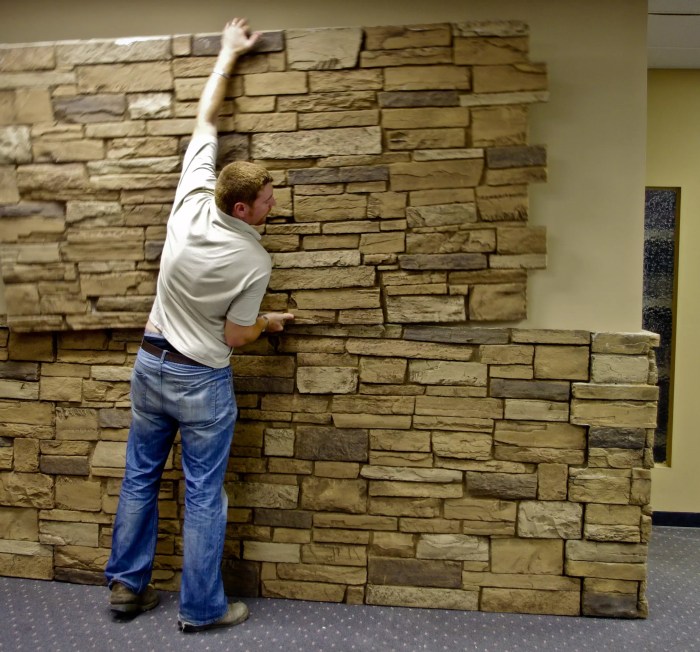
When it comes to installing exterior stone, there are specific techniques that need to be followed to ensure a successful and long-lasting result. From laying out the stones in a desired pattern to securing them in place, each step is crucial in achieving a beautiful and durable finish.
Laying Out Stones in a Desired Pattern
Before starting the installation process, it is important to plan out the layout of the stones. This involves determining the pattern in which the stones will be placed, taking into consideration factors such as size, shape, and color variation. By laying out the stones in a desired pattern beforehand, you can ensure a cohesive and visually appealing result.
Methods for Cutting and Shaping Stones
Not all stones will fit perfectly into the designated space, which is why cutting and shaping may be necessary. There are various methods for cutting and shaping stones, including using a hammer and chisel, a wet saw, or a grinder.
These tools allow for precise cuts and adjustments to ensure that the stones fit seamlessly into place.
Securing Stones in Place
Once the stones are laid out and cut to fit, the next step is to secure them in place. This is typically done using mortar or adhesive, depending on the type of stone and the surface it is being installed on.
Mortar is commonly used for heavier stones, while adhesive is preferred for lighter stones. Properly securing the stones ensures that they remain in place and withstand the elements over time.
Maintenance and Care for Exterior Stone
Proper maintenance and care are essential to ensure the longevity and appearance of exterior stone surfaces. By following these tips, you can preserve the beauty of your stone features for years to come.
Cleaning and Maintenance
Regularly clean exterior stone surfaces with a mild detergent and water to remove dirt, grime, and debris. Avoid using harsh chemicals or abrasive cleaners that can damage the stone.
- Use a soft brush or cloth to gently scrub the surface.
- Rinse thoroughly with clean water to prevent residue buildup.
- For stubborn stains, consider using a specialized stone cleaner recommended by the manufacturer.
Sealing Exterior Stone
Sealing the exterior stone is crucial to protect it from the elements, such as rain, UV rays, and temperature fluctuations. A quality sealant can help prevent water penetration, staining, and erosion.
- Apply a breathable stone sealer to allow moisture to escape while protecting the surface.
- Reapply the sealant periodically as recommended by the manufacturer.
- Check for signs of wear and tear on the sealant, such as water absorption, to know when it's time for resealing.
Identifying and Repairing Issues
Inspect exterior stone regularly for common issues like cracks, chips, or loose stones. Addressing these problems promptly can prevent further damage and maintain the structural integrity of the installation.
- Repair small cracks or chips with a stone patching compound to prevent them from spreading.
- Secure loose stones by applying an adhesive or mortar to reattach them to the surface.
- If you notice significant damage or structural issues, consult a professional stone mason for assessment and repairs.
Closing Summary
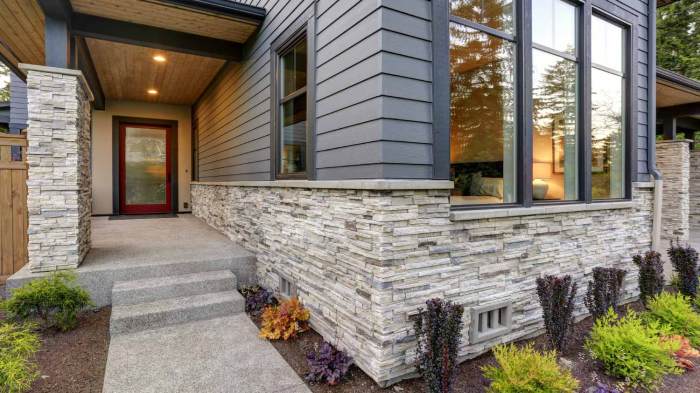
As we conclude this journey through exterior stone installation, remember that attention to detail and proper care are key to maintaining the timeless elegance of your outdoor spaces. Whether you opt for natural stone or manufactured alternatives, the beauty of your exterior will shine through with the right techniques and maintenance routines.
FAQ
How important is surface preparation before exterior stone installation?
Surface preparation is crucial as it ensures proper adhesion and longevity of the stone installation. It helps create a stable base for the stones to be securely placed.
What are the main differences between natural stone and manufactured stone for exterior projects?
Natural stone offers unique aesthetics and is durable but may require more maintenance. Manufactured stone is more uniform in color and shape, with easier installation but may lack the authenticity of natural stone.
How can I maintain exterior stone surfaces to keep them looking their best?
Regular cleaning with a mild detergent, sealing the stone periodically, and addressing any issues promptly are key to maintaining the appearance of exterior stone surfaces.
What tools and materials are essential for a successful exterior stone installation?
Tools like trowels, levels, and diamond saws, along with materials such as mortar, adhesive, and sealant, are crucial for a smooth installation process.