Embarking on a journey into eco-friendly architecture, we delve into the innovative world of sustainable design and construction. From green roofs to energy-efficient strategies, this topic encompasses a wide array of principles and practices that shape the future of our built environment.
Definition of Eco-Friendly Architecture
Eco-friendly architecture refers to the design and construction of buildings that prioritize sustainability, energy efficiency, and the use of environmentally friendly materials. It aims to minimize the negative impact on the environment while creating spaces that are healthy for occupants.
Importance of Eco-Friendly Design
Eco-friendly design in modern construction is crucial for reducing carbon footprint, conserving resources, and promoting a healthier living environment. By incorporating sustainable practices, architects and builders can contribute to a more sustainable future for our planet.
Examples of Sustainable Materials
- Bamboo: A fast-growing and renewable material that can be used for flooring, furniture, and structural elements.
- Recycled Glass: Glass that has been recycled and repurposed for countertops, tiles, and decorative features.
- Solar Panels: A renewable energy source that can be integrated into building design to harness solar power for electricity.
- Green Roofs: Roofing systems covered with vegetation to improve insulation, reduce energy consumption, and mitigate stormwater runoff.
- Reclaimed Wood: Wood salvaged from old buildings or structures that can be reused for flooring, paneling, and furniture.
Principles of Eco-Friendly Architecture
Eco-friendly architecture is guided by specific principles that focus on reducing the environmental impact of buildings while creating sustainable and healthy spaces for occupants. One of the key principles is the integration of energy-efficient design practices to minimize energy consumption and promote renewable energy sources.
The Role of Energy Efficiency in Sustainable Architecture
Energy efficiency plays a crucial role in sustainable architecture by reducing the overall energy demand of buildings. This can be achieved through the use of high-performance insulation, energy-efficient lighting systems, and the integration of renewable energy sources such as solar panels.
By maximizing energy efficiency, buildings can significantly reduce their carbon footprint and contribute to a more sustainable future.
Concept of Passive Design in Eco-Friendly Buildings
Passive design is a fundamental concept in eco-friendly architecture that focuses on using natural elements to regulate indoor temperature and lighting. This can include strategic placement of windows for natural ventilation, building orientation to maximize sunlight exposure, and the use of thermal mass to store and release heat.
By harnessing natural resources and elements, passive design can significantly reduce the need for mechanical heating and cooling systems, resulting in lower energy consumption and increased sustainability.
Sustainable Materials in Eco-Friendly Architecture
When it comes to eco-friendly architecture, the choice of materials plays a crucial role in reducing the environmental impact of construction projects. Sustainable materials are gaining popularity due to their positive contribution to the environment and overall sustainability.
List of Common Sustainable Materials
- Bamboo: Known for its rapid growth and renewability, bamboo is a versatile material used in various architectural elements.
- Recycled Glass: Glass cullet from recycled bottles and jars can be used in countertops, tiles, and decorative features.
- Reclaimed Wood: Salvaged wood from old buildings, barns, or factories can add character and warmth to new construction projects.
- Cork: Harvested from the bark of cork oak trees, cork is a sustainable material used for flooring, insulation, and wall coverings.
Benefits of Using Recycled Materials
Using recycled materials in architectural projects offers numerous benefits, including:
- Reduction of waste in landfills
- Conservation of natural resources
- Lower energy consumption during production
- Support for the circular economy
Environmental Impact Comparison
When comparing traditional materials with sustainable alternatives, the environmental impact becomes evident. Traditional materials like concrete and steel have high carbon footprints due to their energy-intensive production processes. In contrast, sustainable materials like bamboo and cork have lower carbon emissions and promote resource conservation, making them a more environmentally friendly choice for architectural projects.
Energy-Efficient Design Strategies
When it comes to eco-friendly architecture, energy-efficient design strategies play a crucial role in reducing the environmental impact of buildings. By incorporating innovative approaches to minimize energy consumption, architects and designers can create sustainable structures that promote a greener future.
Importance of Natural Lighting and Ventilation
Natural lighting and ventilation are essential elements of eco-friendly architecture as they help reduce the reliance on artificial lighting and mechanical cooling systems. By maximizing the use of natural light and fresh air, buildings can lower energy consumption and improve indoor air quality.
- Utilizing large windows, skylights, and light shelves to optimize natural light penetration.
- Incorporating operable windows, vents, and atriums to enhance natural ventilation and reduce the need for air conditioning.
- Implementing shading devices such as louvers, overhangs, and awnings to control solar heat gain and prevent overheating.
Examples of Energy-Efficient Technologies
There are various energy-efficient technologies that can be integrated into sustainable buildings to enhance their performance and reduce energy consumption. These innovative solutions not only help lower utility costs but also contribute to a healthier and more comfortable indoor environment.
- LED lighting systems that are energy-efficient and have a longer lifespan compared to traditional lighting fixtures.
- Solar panels and photovoltaic systems that harness renewable energy from the sun to power electrical appliances and reduce reliance on the grid.
- Smart thermostats and building automation systems that optimize energy usage by adjusting temperature settings based on occupancy and external conditions.
Green Roof and Vertical Garden Design
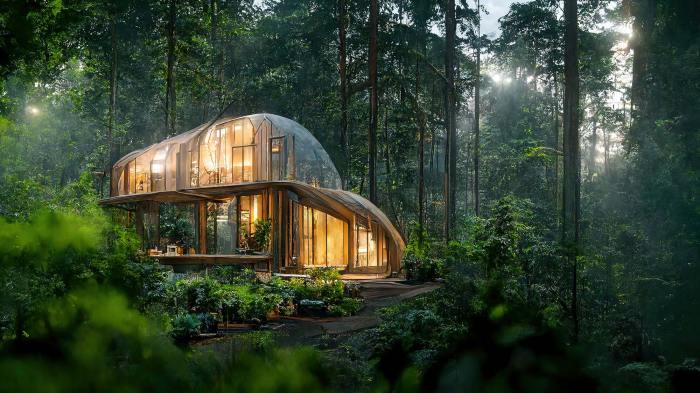
Green roofs and vertical gardens are innovative ways to incorporate nature into architecture, providing numerous benefits for both the environment and building occupants. Green roofs contribute to energy efficiency by reducing the urban heat island effect, insulating buildings, and lowering energy consumption for heating and cooling.
They also help manage stormwater runoff, improve air quality, and provide habitat for birds and insects, enhancing biodiversity in urban areas.Vertical gardens, on the other hand, add a touch of greenery to vertical surfaces, improving aesthetics, air quality, and overall well-being.
They can also act as natural insulators, reducing heat gain in buildings and decreasing the need for mechanical cooling.
Benefits of Green Roofs and Vertical Gardens
- Enhanced energy efficiency by reducing heat absorption
- Improved stormwater management
- Increased biodiversity in urban areas
- Enhanced air quality and aesthetics
Examples of Successful Designs
Some notable buildings with successful green roof or vertical garden designs include the Bosco Verticale in Milan, Italy, which features a vertical forest of trees and plants on its facades, and the California Academy of Sciences in San Francisco, which has a living roof covered in native vegetation that helps regulate the building's temperature and reduce energy usage.
Water Conservation Techniques in Sustainable Architecture
Water conservation is a crucial aspect of sustainable architecture, focusing on reducing water usage and implementing efficient systems for managing water resources. In eco-friendly buildings, various techniques are commonly used to minimize water wastage and promote sustainability.
Rainwater Harvesting
Rainwater harvesting is a key water conservation technique in sustainable architecture, involving the collection and storage of rainwater for various uses within a building. This practice helps reduce the demand for potable water and decreases the burden on municipal water supplies.
By capturing rainwater from rooftops and other surfaces, buildings can utilize this natural resource for irrigation, flushing toilets, and other non-potable applications.
Greywater Recycling Systems
Greywater recycling systems are another innovative water conservation method integrated into architectural designs. Greywater refers to wastewater generated from activities like bathing, laundry, and dishwashing, which can be treated and reused for purposes such as landscape irrigation or flushing toilets.
By recycling greywater within a building, sustainable architecture reduces the strain on freshwater resources and promotes a more efficient water cycle.
Low-Flow Fixtures and Water-Efficient Appliances
In eco-friendly buildings, the use of low-flow fixtures and water-efficient appliances is essential for reducing water consumption. These fixtures and appliances are designed to minimize water wastage without compromising performance, ensuring that buildings operate efficiently while conserving water resources. Examples include low-flow toilets, faucets, and showerheads, as well as energy-efficient dishwashers and washing machines.
Xeriscaping and Native Plant Landscaping
Xeriscaping and native plant landscaping are landscaping techniques that promote water conservation in sustainable architecture. Xeriscaping focuses on designing water-efficient landscapes that require minimal irrigation, often using drought-tolerant plants and natural mulch to conserve water. Native plant landscaping involves incorporating locally adapted plant species into outdoor spaces, reducing the need for supplemental watering and supporting biodiversity in the ecosystem.
Ultimate Conclusion
In conclusion, eco-friendly architecture offers a promising path towards a greener and more sustainable future. By prioritizing environmentally conscious design and embracing sustainable materials and technologies, we can create spaces that not only benefit the planet but also enhance the quality of life for inhabitants.
Question Bank
What are the key principles of eco-friendly architecture?
Eco-friendly architecture focuses on reducing environmental impact through sustainable design practices such as energy efficiency, use of recycled materials, and water conservation.
Why is natural lighting important in eco-friendly architecture?
Natural lighting not only reduces energy consumption but also enhances the well-being of occupants by providing a connection to the outdoors and improving overall comfort.
How do green roofs contribute to sustainability?
Green roofs help reduce urban heat island effect, improve air quality, provide insulation, and promote biodiversity in urban areas.