Embark on a journey through the intricate process of painting Hardie siding as we delve into the essential tools, paint selection, application techniques, and maintenance tips. This guide promises to equip you with the knowledge needed to transform your home's exterior with finesse and precision.
Discover the nuances and expert insights that will elevate your painting experience to new heights.
Preparation
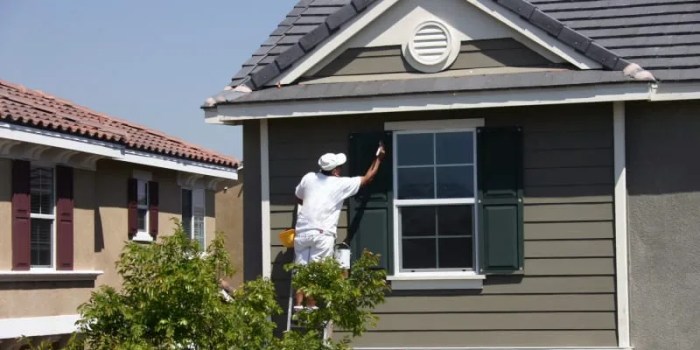
Before painting Hardie siding, it is essential to gather the necessary tools and prepare the surface properly.
List of Necessary Tools:
- Pressure washer
- Bucket
- Clean cloths
- All-purpose cleaner
- Paintbrushes or rollers
- Paint suitable for Hardie siding
- Painter's tape
- Drop cloths
Cleaning Before Painting:
It is crucial to clean the Hardie siding thoroughly before painting to ensure proper adhesion of the paint. Use a pressure washer to remove dirt, grime, and any loose paint. Wash the surface with an all-purpose cleaner and rinse it well to remove any residue.
Ideal Weather Conditions:
Painting Hardie siding is best done in mild weather conditions. Avoid painting in extreme heat or cold, as it can affect the paint's application and drying process. The ideal temperature for painting is typically between 50-85 degrees Fahrenheit with low humidity.
Choosing Paint
When it comes to painting Hardie siding, choosing the right type of paint is crucial for a long-lasting and durable finish. Different types of paint can be used for Hardie siding, each with its own advantages and considerations.
Types of Paint
- Acrylic Paint: Acrylic paint is a popular choice for painting Hardie siding due to its durability and flexibility. It can withstand harsh weather conditions and provides a long-lasting finish.
- Latex Paint: Latex paint is another good option for Hardie siding, offering easy application and fast drying time. It is also resistant to fading and mildew.
- Alkyd Paint: Alkyd paint is known for its excellent adhesion and durability, making it a suitable choice for Hardie siding. However, it has a longer drying time compared to other types of paint.
Importance of Color Selection
Choosing the right color for your Hardie siding is not just about aesthetics; it also plays a role in the overall durability and maintenance of the siding. Lighter colors tend to reflect sunlight and heat, reducing the risk of warping or damage to the siding.
Darker colors, on the other hand, may absorb more heat and expand, potentially causing issues over time. Additionally, the color of the paint can affect the energy efficiency of your home by influencing heat absorption.
Benefits of Using Primer
Using a primer before painting Hardie siding is highly recommended as it helps improve adhesion, provides a uniform surface for the paint to adhere to, and enhances the overall durability of the paint job. Primer also seals the surface and prevents moisture from penetrating, which can lead to rot or other damage over time.
Investing in a quality primer can significantly extend the lifespan of the paint on your Hardie siding.
Application Techniques
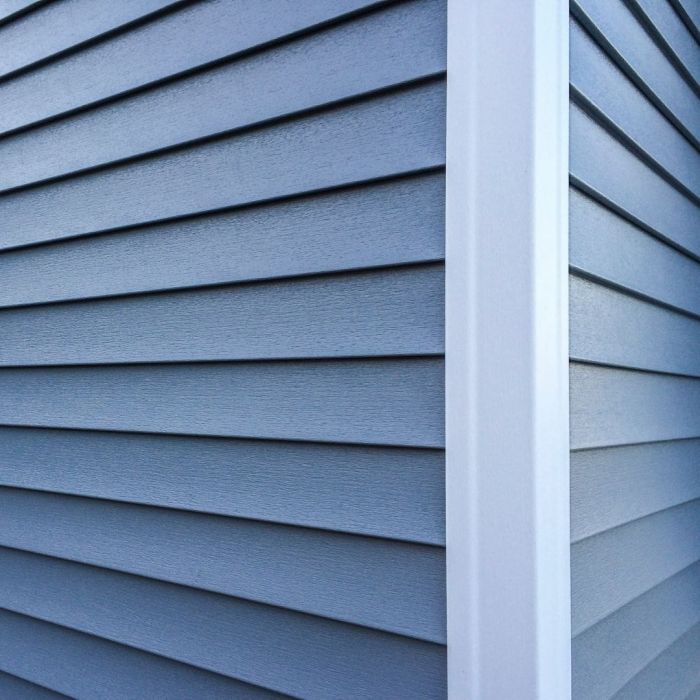
When it comes to painting Hardie siding, using the right application techniques is crucial to achieving a professional finish that lasts. Below are the best practices for painting Hardie siding, including step-by-step instructions for painting vertical Hardie siding and differences in painting techniques for smooth versus textured Hardie siding.
Best Practices for Painting Hardie Siding
Before starting the painting process, make sure to clean the Hardie siding thoroughly and allow it to dry completely. Use a high-quality acrylic latex paint that is specifically formulated for use on fiber cement siding. Follow these steps for a successful paint job:
- Apply a coat of primer to the siding to ensure proper adhesion of the paint.
- Use a high-quality paintbrush or paint sprayer for application, following the manufacturer's instructions.
- Avoid painting in direct sunlight or extreme temperatures to prevent the paint from drying too quickly.
- Apply multiple thin coats of paint rather than one thick coat for better coverage and durability.
- Allow each coat to dry completely before applying the next coat.
- Inspect the siding after painting to ensure even coverage and touch up any missed spots.
Step-by-Step Instructions for Painting Vertical Hardie Siding
Painting vertical Hardie siding requires attention to detail to ensure a smooth and professional finish. Follow these steps for painting vertical Hardie siding:
- Clean the siding thoroughly with a mild detergent and water, then rinse and allow it to dry.
- Apply a coat of primer to the siding and allow it to dry according to the manufacturer's instructions.
- Start at the top of the siding and work your way down, applying the paint in long, vertical strokes.
- Overlap each stroke slightly to ensure even coverage and avoid visible brush marks.
- Continue painting in sections until the entire surface is covered, then allow the paint to dry completely.
- Inspect the siding for any missed spots or uneven coverage and touch up as needed.
Differences in Painting Techniques for Smooth Versus Textured Hardie Siding
When painting smooth versus textured Hardie siding, the application techniques may vary slightly to achieve the best results. Consider the following differences:
- For smooth Hardie siding, apply the paint in long, even strokes to create a uniform finish.
- For textured Hardie siding, use a thicker nap roller to ensure that the paint reaches into the textured grooves for full coverage.
- Work in small sections at a time to prevent the paint from drying before you can blend it properly.
- Check the manufacturer's recommendations for painting textured Hardie siding to ensure the best application techniques.
Maintenance and Care
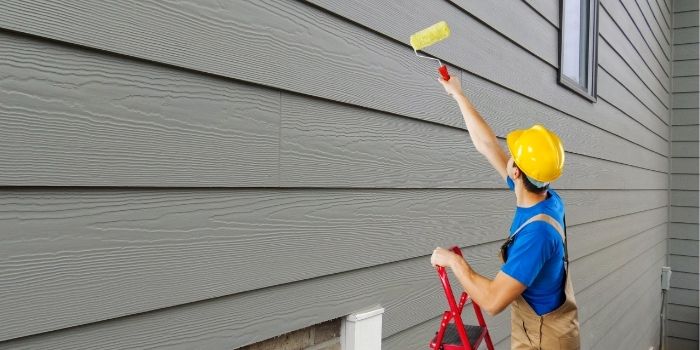
Maintaining the paint on your Hardie siding is crucial for keeping your home looking fresh and protecting the siding from damage. Regular care and addressing common issues promptly can help extend the lifespan of the paint.
Routine Maintenance
- Inspect the siding annually for any signs of damage, chipping, or peeling paint.
- Wash the siding with a mild detergent and water to remove dirt and grime that can affect the paint.
- Trim any vegetation near the siding to prevent moisture buildup and mold growth.
Addressing Chipping or Peeling Paint
- Scrape off any loose paint with a putty knife and sand the area to create a smooth surface for repainting.
- Apply a primer to the affected area before repainting to ensure better adhesion and coverage.
- Choose a high-quality exterior paint specifically designed for Hardie siding to ensure durability.
Tips for Extending Paint Lifespan
- Avoid using high-pressure washers on the siding, as they can damage the paint and underlying material.
- Apply a fresh coat of paint every 5-7 years to maintain the look and protection of the siding.
- Consider using light colors for the paint to minimize heat absorption and potential damage from UV rays.
Ultimate Conclusion
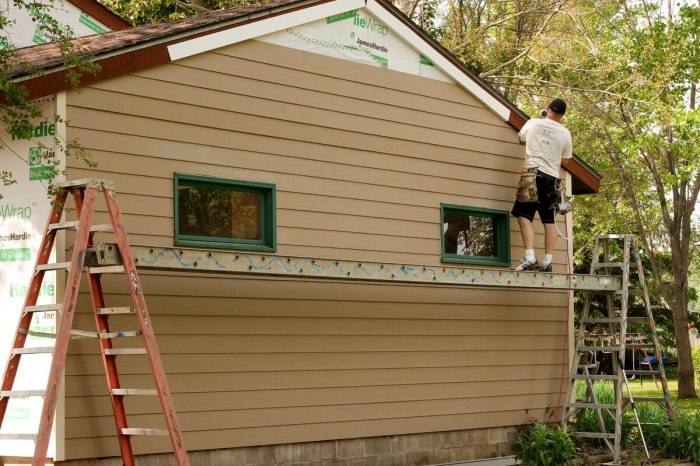
In conclusion, painting Hardie siding requires a blend of skill, patience, and attention to detail. By following the guidelines Artikeld in this comprehensive discussion, you are well on your way to achieving a flawless finish that will stand the test of time.
FAQs
What are the necessary tools for painting Hardie siding?
Common tools include paintbrushes, rollers, painter's tape, and a quality primer.
How can I extend the lifespan of the paint on Hardie siding?
Regular cleaning and inspections, along with timely touch-ups, can help preserve the paint.
What are the differences in painting techniques for smooth versus textured Hardie siding?
Smooth siding may require fewer coats of paint, while textured siding may need more attention to ensure even coverage.
Why is it important to use primer before painting Hardie siding?
Primer helps improve adhesion, provides a uniform surface, and enhances the longevity of the paint job.