Embark on a journey through the realm of character design, where creativity meets storytelling to craft compelling narratives that captivate audiences. This intricate art form goes beyond aesthetics, shaping the very essence of unforgettable characters that leave a lasting impression.
Delve into the core elements and processes of character design to uncover the secrets behind breathing life into imaginary beings that resonate with viewers on a profound level.
Importance of Character Design
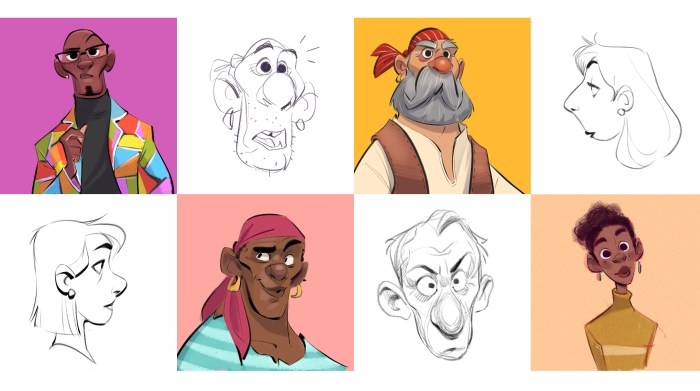
Character design plays a crucial role in storytelling by bringing the characters to life and conveying their personalities, emotions, and motivations to the audience. Well-designed characters can enhance audience engagement by creating a strong connection between the viewers and the story.
The visual appearance of a character can communicate a lot of information about who they are, their background, and their role in the narrative.
Role of Character Design in Storytelling
Character design in storytelling is essential for establishing the unique identities of characters and making them memorable. The way a character looks can influence how they are perceived by the audience and can help differentiate them from other characters in the story.
For example, iconic characters like Mickey Mouse, Pikachu, and Elsa from Frozen are instantly recognizable because of their distinctive designs, which have become synonymous with their respective stories.
- Character design helps to convey emotions and traits: Characters with well-thought-out designs can effectively communicate their emotions, personalities, and motivations through visual cues such as facial expressions, body language, and clothing choices.
- Character design aids in world-building: The design of characters can also reflect the world they inhabit, providing insight into the setting, culture, and time period of the story. This helps to create a cohesive and immersive storytelling experience for the audience.
- Character design enhances storytelling impact: Memorable character designs can leave a lasting impression on the audience and contribute to the overall success and longevity of a story. Characters like Darth Vader, Spider-Man, and Hello Kitty have become cultural icons due in part to their well-crafted designs.
Elements of Character Design
Character design involves a combination of various elements that work together to create a unique and memorable character. These elements play a crucial role in defining the character's appearance and personality, making them visually appealing and engaging to the audience.
Silhouette
The silhouette of a character is its overall shape or Artikel, which helps in instant recognition. A strong silhouette can make a character stand out and be easily distinguishable from others. It is the first thing that catches the viewer's eye and sets the tone for the character's design.
Color
Color plays a significant role in character design as it can evoke emotions, convey personality traits, and enhance the overall visual appeal. The choice of colors can symbolize different characteristics such as red for passion or blue for calmness. The color palette used can also help establish the setting or theme of the character.
Proportion
Proportion refers to the relative size and scale of various body parts of the character. It helps in creating a sense of balance and harmony in the design. Proportions can be exaggerated for a more stylized look or kept realistic for a more relatable character.
Personality Traits
Character designers often use visual cues to convey personality traits through design choices. For example, a character with sharp angles and dark colors may be perceived as more villainous, while a character with soft curves and pastel colors may come across as friendly and approachable.
These subtle details can help the audience connect with the character on a deeper level.
Cultural Influences
Cultural influences play a significant role in character design as they shape the character's background, beliefs, and behaviors. Designers often incorporate elements from different cultures to create diverse and authentic characters that resonate with a global audience. By incorporating cultural references, characters can become more relatable and engaging to a wider range of viewers.
Character Design Process
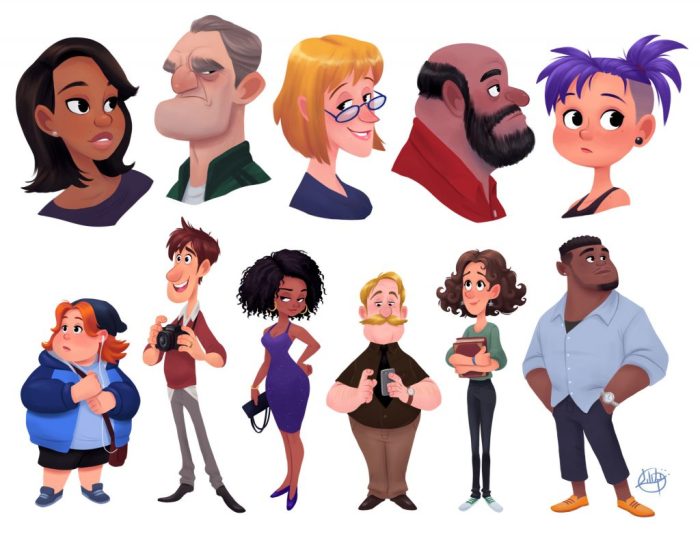
Creating a character design involves a series of steps that help bring a fictional character to life. From initial concept to final design, each stage plays a crucial role in shaping the character's appearance and personality.
Concept Development
Concept art serves as the foundation for character design. Artists start by brainstorming ideas, sketching rough concepts, and exploring different visual elements that best represent the character's traits and story. This phase allows for creative freedom and experimentation before moving on to the next step.
- Define the character's backstory, personality, and role in the story.
- Explore various visual styles, shapes, colors, and details to capture the essence of the character.
- Create rough sketches and iterations to refine the concept further.
Refinement and Iteration
Once a concept is chosen, artists begin refining and iterating on the design to enhance its visual appeal and coherence. This stage involves adjusting proportions, adding details, and ensuring consistency in the character's overall look.
- Refine the character's silhouette, facial features, clothing, and accessories.
- Prioritize clarity and readability to ensure the character is easily recognizable.
- Iterate on the design based on feedback and make necessary adjustments to improve the final result.
Finalization
The final stage of the character design process involves polishing the design and preparing it for production. Artists focus on adding finishing touches, refining colors, and creating a finalized version of the character ready for implementation in various media.
- Add shading, highlights, and texture to enhance the character's visual appeal.
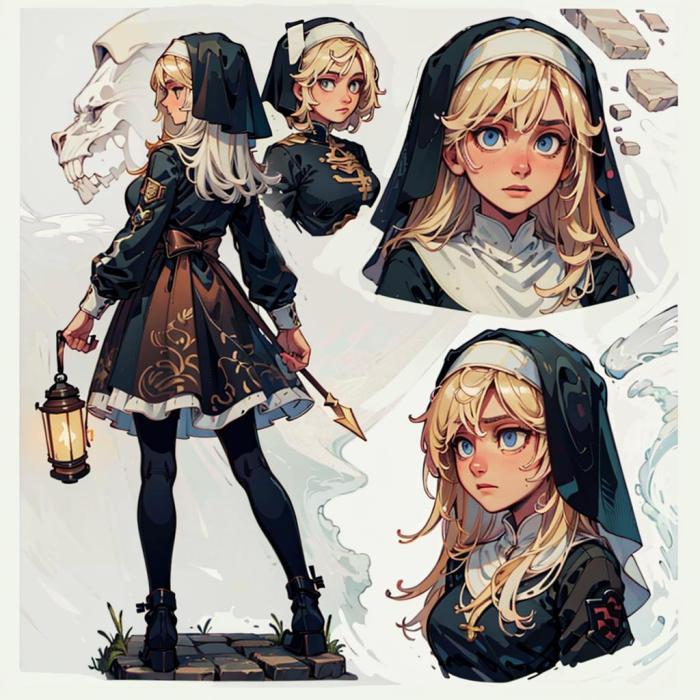
- Create a turnaround or model sheet to showcase the character from different angles.
- Prepare the design for animation, gaming, or other forms of media by ensuring compatibility and scalability.
Diversity and Representation in Character Design
When it comes to character design, diversity and representation play a crucial role in creating inclusive and authentic portrayals of different cultures, backgrounds, and identities. It is essential to ensure that characters reflect the rich tapestry of the real world to resonate with a wide audience and promote acceptance and understanding.
Importance of Diversity and Inclusivity
Embracing diversity in character design not only fosters a sense of belonging for underrepresented groups but also opens up opportunities for storytelling and world-building. By featuring characters from various backgrounds, creators can challenge stereotypes, break barriers, and showcase the beauty of different cultures.
- Include characters from diverse ethnicities, genders, sexual orientations, abilities, and body types to represent the real world accurately.
- Avoid cultural appropriation by conducting thorough research, consulting with experts, and showing respect for traditions and customs.
- Create multidimensional characters with unique personalities, interests, and experiences beyond their identity markers.
Strategies for Creating Culturally Sensitive Characters
Designing culturally sensitive characters requires a deep understanding of the nuances and complexities of different cultures. Here are some strategies to ensure authenticity and respect in character representation:
- Collaborate with consultants or community members from the specific culture to gain insights and perspectives.
- Avoid stereotypes and caricatures by portraying characters as individuals with agency, emotions, and diverse traits.
- Research historical and contemporary references to accurately depict cultural practices, clothing, languages, and customs.
Examples of Well-Executed Diverse Character Designs in Media
Several media productions have successfully showcased diverse characters that resonate with audiences and celebrate uniqueness. Here are some notable examples:
| Character | Media | Description |
|---|---|---|
| Moana | Disney's "Moana" | A Polynesian princess who embarks on a journey to save her island, challenging traditional princess narratives. |
| Steven Universe | Cartoon Network's "Steven Universe" | Features a diverse cast of gems with different body types, gender identities, and relationships, promoting inclusion and acceptance. |
| Blanca Evangelista | FX's "Pose" | A transgender Afro-Latina character who leads a chosen family in the vibrant ballroom culture of New York City, showcasing resilience and love. |
Ending Remarks
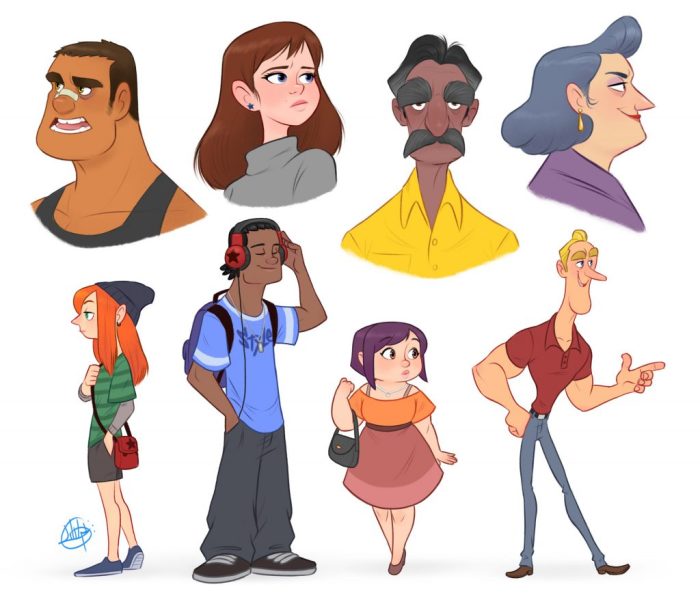
As we conclude this exploration of character design, we are reminded of its profound impact on the world of storytelling and visual communication. From iconic figures to diverse representations, the art of character design continues to evolve, shaping the narratives we cherish and the worlds we immerse ourselves in.
Expert Answers
How does character design contribute to storytelling?
Character design plays a crucial role in conveying emotions, motivations, and personalities of characters, enriching the narrative and engaging the audience on a deeper level.
What are the essential elements of character design?
Key components include silhouette, color palette, proportion, and the ability to convey personality traits through visual cues.
Why is diversity important in character design?
Diversity fosters inclusivity and representation, allowing for a range of perspectives and experiences to be authentically portrayed in media.