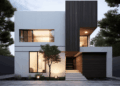
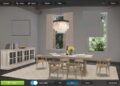
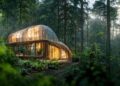
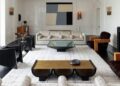
As interior design and decoration takes center stage, this opening passage beckons readers into a world crafted with good knowledge, ensuring a reading experience that is both absorbing and distinctly original.
From the significance of interior design to the impact of color schemes, this topic delves into the art of creating functional and aesthetically pleasing spaces that resonate with individual styles and preferences.
Importance of Interior Design and Decoration
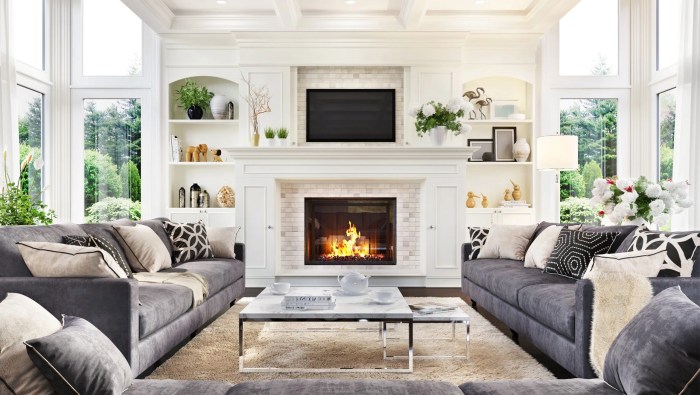
Interior design plays a crucial role in creating functional and aesthetically pleasing spaces that cater to the needs and preferences of individuals. It involves the art of balancing elements such as lighting, color schemes, furniture layout, and overall spatial planning to optimize the usability and visual appeal of a room.
Decoration, on the other hand, complements the design by adding personal touches, textures, and decorative elements that enhance the overall ambiance of a space. It brings personality and character to a room, reflecting the style and taste of the occupants.
Impact on Mood, Productivity, and Well-being
- Interior design directly influences the mood of individuals by creating spaces that evoke specific emotions. For example, warm colors like red and orange can promote energy and excitement, while cool tones like blue and green can induce a sense of calm and relaxation.
- Well-thought-out interior design can also boost productivity by optimizing the layout of furniture and creating an organized environment that minimizes distractions. A clutter-free and well-lit space can enhance focus and efficiency.
- Furthermore, a well-designed interior can significantly impact the overall well-being of individuals. Natural light, proper ventilation, and comfortable furniture can contribute to a sense of comfort and contentment, ultimately improving quality of life.
Elements of Interior Design
Interior design involves various key elements that work together to create a cohesive and visually appealing space. These elements include color, texture, lighting, furniture, space planning, layout, accessories, and accents.
Color
Color plays a crucial role in setting the tone and mood of a room. Different colors evoke different emotions and can greatly impact the overall feel of a space. It is essential to carefully consider the color palette when designing an interior to achieve the desired atmosphere.
Texture
Texture adds depth and dimension to a room, making it more visually interesting. By incorporating a variety of textures such as smooth, rough, shiny, or matte, you can create a multi-dimensional space that is visually appealing and inviting.
Lighting
Lighting is a key element in interior design as it not only illuminates the space but also enhances the overall ambiance. Proper lighting can highlight architectural features, create focal points, and set the mood of the room. It is important to consider both natural and artificial lighting sources for a well-balanced design.
Furniture
Furniture serves both a functional and aesthetic purpose in interior design. The selection of furniture pieces can greatly impact the comfort, functionality, and style of a space. It is essential to choose furniture that fits the scale of the room and complements the overall design aesthetic.
Space Planning and Layout
Space planning and layout are fundamental aspects of interior design as they determine how a space will be used and flow. Proper space planning ensures that the room is functional, efficient, and visually pleasing. It involves arranging furniture, defining zones, and optimizing the layout to make the most of the available space.
Accessories and Accents
Accessories and accents are the finishing touches that add personality and character to a room. They include decorative items such as artwork, rugs, pillows, and plants that enhance the design aesthetic and reflect the homeowner's style. Accessories and accents play a crucial role in tying the design elements together and creating a cohesive look.
Styles and Themes in Interior Design
When it comes to interior design, different styles and themes can greatly influence the overall look and feel of a space. From modern and minimalist to traditional and eclectic, each style brings its own unique elements and aesthetics. Let's explore some popular interior design styles and themes.
Modern Style
The modern style is characterized by clean lines, simple color palettes, and a focus on function. Furniture pieces are often sleek and minimalistic, with an emphasis on open spaces and natural light. Examples of modern style can be seen in homes with large windows, neutral colors, and a mix of materials like glass, metal, and wood.
Minimalist Style
Minimalist design embraces the concept of "less is more," with a focus on simplicity and functionality. This style often features a monochromatic color scheme, clutter-free spaces, and furniture with clean, geometric shapes. Scandinavian design is a popular minimalist theme, known for its light, airy interiors and use of natural materials like wood and leather.
Traditional Style
Traditional interior design is classic and timeless, often influenced by historical periods like Victorian or Colonial. This style incorporates ornate detailing, rich colors, and elegant furnishings. Rooms with traditional decor may feature antique furniture, intricate patterns, and formal arrangements.
Eclectic Style
Eclectic design is all about mixing and matching different styles, patterns, and textures to create a unique and personalized space. This style encourages creativity and self-expression, allowing for a blend of vintage and modern elements. Bohemian design, for example, is a popular eclectic theme that embraces a free-spirited and global-inspired aesthetic.
Trends in Interior Design
Interior design trends are constantly evolving, influenced by various factors such as technological advancements, societal changes, and environmental concerns. These trends play a significant role in shaping design choices and influencing consumer preferences.
Sustainability in Interior Design
In recent years, there has been a growing emphasis on sustainability in interior design. Designers and homeowners alike are opting for eco-friendly materials, energy-efficient appliances, and sustainable practices to reduce environmental impact.
Biophilic Design
Biophilic design, which incorporates elements of nature into interior spaces, has gained popularity for its ability to create a sense of calm and connection to the outdoors. Features such as living green walls, natural light, and organic materials are increasingly being incorporated into design schemes.
Smart Home Technology
The integration of smart home technology has revolutionized interior design, allowing for greater convenience, efficiency, and control over living spaces. From automated lighting and temperature control to voice-activated assistants, these technological advancements are shaping the way we interact with our homes.
Interior Design Process
Interior design is a meticulous process that involves several steps from concept development to execution. Designers collaborate closely with clients to ensure the final result meets their needs and preferences. Mood boards, sketches, and 3D renderings play a crucial role in visualizing design concepts.
Concept Development
Concept development is the initial stage where designers gather information about the client's requirements, style preferences, and budget constraints. This involves brainstorming ideas and creating a design brief to Artikel the project's scope.
Space Planning
Space planning involves determining the layout and functionality of the space. Designers analyze the flow of the room, consider furniture placement, and ensure optimal use of the available space to meet the client's needs.
Material Selection
Choosing the right materials is essential to bring the design concept to life. Designers consider factors like durability, aesthetics, and budget when selecting materials for flooring, walls, furniture, and accessories.
Color Palette and Lighting
Creating a cohesive color palette and incorporating the right lighting scheme are crucial elements of interior design. Designers use color theory to evoke specific moods and enhance the ambiance of the space.
Detailing and Finishing Touches
The final stage involves adding finishing touches to the design, such as decorative elements, accessories, and artwork. Designers pay attention to every detail to ensure the space reflects the client's style and personality.
Role of Colors in Interior Design
Color plays a crucial role in interior design, as it has the power to evoke emotions, set the mood, and influence the perception of space. Understanding the psychological effects of different colors is essential in creating harmonious and visually appealing interiors.
Psychological Effects of Different Colors
- Blue: Known for its calming and serene qualities, blue is often used in bedrooms and bathrooms to promote relaxation.
- Red: A bold and energetic color, red can create a sense of warmth and excitement, making it ideal for dining areas or living rooms.
- Yellow: Associated with happiness and positivity, yellow is perfect for kitchens or spaces where creativity is encouraged.
- Green: Symbolizing nature and tranquility, green is a versatile color that can be used to bring a sense of balance to any room.
- Neutral Colors: Shades of white, beige, and gray are commonly used as a backdrop to highlight other elements in the room and create a sense of sophistication.
Color Schemes and Perception of Space
- Monochromatic Scheme: Using variations of a single color can make a room feel more spacious and cohesive.
- Analogous Scheme: Colors that are adjacent to each other on the color wheel create a harmonious and flowing feel, ideal for open floor plans.
- Complementary Scheme: Pairing colors that are opposite each other on the color wheel creates a dynamic and vibrant contrast, adding visual interest to a room.
Color Trends and Atmospheres
- Earth Tones: Warm shades like terracotta, rust, and ochre are popular for creating a cozy and inviting atmosphere.
- Jewel Tones: Rich colors like emerald green, sapphire blue, and amethyst are used to add luxury and sophistication to a space.
- Minimalist Palette: Clean and simple colors like white, black, and gray are favored for achieving a modern and sleek look.
Final Review
In conclusion, interior design and decoration play a crucial role in shaping our living and working environments, influencing our mood, productivity, and overall well-being. By understanding the elements, styles, and trends in this field, one can truly transform a space into a personalized sanctuary that reflects uniqueness and creativity.
Expert Answers
How does interior design impact mood?
Interior design can influence mood by creating spaces that are either calming, energizing, or inspiring, depending on the colors, lighting, and layout used.
What are some popular interior design styles?
Popular interior design styles include modern, minimalist, traditional, and eclectic, each with its own unique characteristics and aesthetics.
What role do accessories play in interior design?
Accessories add personality and character to a room, enhancing the overall design and creating a cohesive look.