3D architecture sets the stage for this enthralling narrative, offering readers a glimpse into a story that is rich in detail and brimming with originality. From iconic structures to cutting-edge technology, the world of 3D architecture is a fascinating blend of creativity and innovation.
As we delve deeper into the realm of 3D architecture, we uncover its various applications, tools, and the impact it has on sustainable design practices.
Overview of 3D Architecture
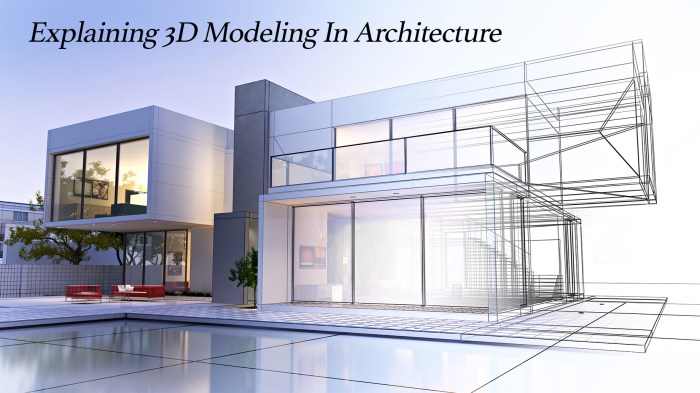
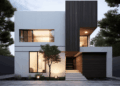
D architecture refers to the use of three-dimensional design and modeling techniques in the field of architecture and construction. It allows architects, engineers, and designers to create detailed visual representations of buildings and structures before they are physically constructed. By utilizing advanced software and technology, 3D architecture provides a more immersive and realistic experience compared to traditional 2D drawings.
Use of 3D Architecture Across Industries
- Entertainment Industry: 3D architecture is widely used in the entertainment industry for creating realistic set designs for movies, TV shows, and video games.
- Urban Planning: City planners use 3D architecture to visualize and simulate urban development projects, helping them make informed decisions about infrastructure and design.
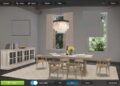
- Interior Design: Interior designers leverage 3D architecture to present clients with detailed renderings of proposed designs, allowing for better visualization and decision-making.
Famous 3D Architectural Structures
-
Burj Khalifa, Dubai:
The tallest building in the world, the Burj Khalifa's design was created using advanced 3D modeling techniques to achieve its iconic shape and structure.
-
Sydney Opera House, Australia:
This architectural marvel was designed using 3D software to bring to life its unique and intricate sail-like roof structure.
-
Guggenheim Museum, Bilbao:
The Guggenheim Museum's unconventional design and complex geometry were made possible through the use of 3D architectural tools.
Importance of 3D Visualization
D visualization plays a crucial role in architecture by providing a realistic representation of projects before they are built. This technology allows architects and clients to see a detailed preview of the design, making it easier to make decisions and adjustments.
Enhanced Visualization
D models help architects showcase their ideas in a more visually appealing and understandable way compared to traditional 2D drawings. By creating a 3D representation, architects can convey the spatial relationships, scale, and design elements more effectively, leading to better communication with clients and stakeholders.
Improved Decision-Making
With 3D visualization, clients can better understand the proposed design and visualize the final outcome, reducing the chances of misinterpretation or dissatisfaction. This clarity leads to more informed decision-making and increases the likelihood of successful project outcomes.
Efficiency and Accuracy
Compared to 2D drawings, 3D visualization offers greater accuracy and precision in design representation. Architects can identify potential issues, explore different design options, and make changes more efficiently, ultimately saving time and resources during the construction phase.
Cost-Effectiveness
By utilizing 3D visualization, architects can detect errors early in the design process, minimizing costly changes during construction. This proactive approach helps in optimizing the project timeline and budget, resulting in a more cost-effective and streamlined construction process.
Tools and Software for 3D Architecture
When it comes to creating 3D architectural designs, architects rely on a variety of tools and software to bring their visions to life. These tools are essential in the design process, helping architects to visualize and communicate their ideas effectively.
Popular Software for 3D Architectural Designs
- AutoCAD: AutoCAD is a widely used software in the architecture industry for creating precise 2D and 3D drawings. It allows architects to draft, design, and annotate their projects with accuracy.
- Revit: Revit is a building information modeling (BIM) software that enables architects to create detailed 3D models of buildings and structures. It facilitates collaboration among different stakeholders in the design process.
- SketchUp: SketchUp is a user-friendly 3D modeling software that is popular among architects for its intuitive interface and ease of use. It allows architects to create quick conceptual models and presentations.
Role of Tools like AutoCAD, Revit, and SketchUp in 3D Architecture
AutoCAD, Revit, and SketchUp play crucial roles in the workflow of architects when creating 3D architectural designs. AutoCAD is used for creating detailed 2D drawings that serve as the foundation for 3D modeling. Revit is utilized for building information modeling, enabling architects to create intelligent 3D models that contain information about the building components.
SketchUp is often used for quick conceptual modeling and visualization, allowing architects to present their ideas in a clear and visually appealing manner.
Workflow of Architects Using AutoCAD, Revit, and SketchUp for 3D Modeling
Architects typically start by creating 2D drawings in AutoCAD to establish the layout and dimensions of the building. These drawings are then imported into Revit, where architects can create detailed 3D models with intelligent building components. SketchUp is often used for creating conceptual models and presentations to communicate design ideas to clients and stakeholders.
The seamless integration of these tools in the architectural workflow helps architects to efficiently design and visualize their projects.
Applications of 3D Printing in Architecture
D printing technology has revolutionized the field of architecture by offering innovative ways to design and construct buildings. The ability to create intricate architectural models quickly and accurately has made 3D printing a valuable tool for architects and designers.
Advantages of Using 3D Printing for Creating Architectural Models
- Cost-effective: 3D printing reduces the cost of producing detailed architectural models compared to traditional methods.
- Rapid prototyping: Architects can create multiple iterations of a design quickly, allowing for faster decision-making and design improvements.
- Customization: 3D printing enables architects to create complex geometric shapes and intricate details that would be challenging or impossible with traditional methods.
- Sustainability: By using biodegradable materials and minimizing waste, 3D printing offers a more sustainable approach to model making.
Examples of Innovative 3D Printed Architectural Projects
- The Canal House in Amsterdam: This project showcases the potential of 3D printing in construction by using a large-scale 3D printer to create building components on site.
- MX3D Bridge in Amsterdam: The world's first 3D printed steel bridge demonstrates the capabilities of 3D printing technology in creating functional architectural structures.
- Urban Cabin in New York City: A fully 3D printed tiny house that explores the possibilities of using additive manufacturing for sustainable and affordable housing solutions.
Sustainable Design in 3D Architecture
3D architecture plays a significant role in promoting sustainable design practices by incorporating eco-friendly materials and techniques in architectural projects. This approach not only reduces the environmental impact of construction but also creates healthier and more energy-efficient buildings.
Use of Eco-Friendly Materials and Techniques
One of the key ways that 3D architecture contributes to sustainable design is through the use of eco-friendly materials and techniques. These include recycled materials, natural resources, and energy-efficient systems that minimize waste and reduce carbon footprint.
- Utilization of recycled materials such as reclaimed wood, recycled steel, and recycled glass helps in reducing the demand for new resources and minimizes waste generation.
- Incorporation of natural resources like daylight, ventilation, and greenery not only enhances the aesthetics of the building but also reduces the need for artificial lighting, heating, and cooling.
- Integration of energy-efficient systems such as solar panels, green roofs, and rainwater harvesting systems further enhances the sustainability of the building by reducing energy consumption and promoting renewable energy sources.
Examples of Green Buildings Designed Using 3D Architecture Principles
Several green buildings around the world have been designed using 3D architecture principles to achieve sustainable design goals. These buildings showcase innovative use of materials, technologies, and designs to minimize environmental impact and maximize energy efficiency.
- The Edge in Amsterdam, Netherlands:This sustainable office building utilizes 3D modeling techniques to optimize natural light and ventilation, reducing energy consumption and creating a healthy indoor environment.
- Bosco Verticale in Milan, Italy:These vertical forests use 3D architectural software to design and plan the integration of thousands of plants, trees, and shrubs into the building facade, contributing to air purification and biodiversity.
- One Central Park in Sydney, Australia:This residential complex features green walls and roofs designed using 3D visualization tools to enhance energy efficiency, reduce heat island effect, and promote biodiversity in urban areas.
Final Review
In conclusion, 3D architecture stands at the forefront of modern design and construction, shaping the way we envision and create architectural marvels. With its ability to revolutionize visualization, construction, and sustainability, the future of architecture is indeed three-dimensional.
FAQ Section
How is 3D architecture used in industries beyond building design?
3D architecture is utilized in industries like gaming, film production, and virtual reality for creating immersive environments and visualizations.
What are some popular software used for creating 3D architectural designs?
Popular software includes AutoCAD, Revit, SketchUp, and 3ds Max, each offering unique features for architects and designers.
How does 3D printing technology impact architectural projects?
3D printing revolutionizes architecture by allowing for rapid prototyping, intricate designs, and sustainable construction practices.